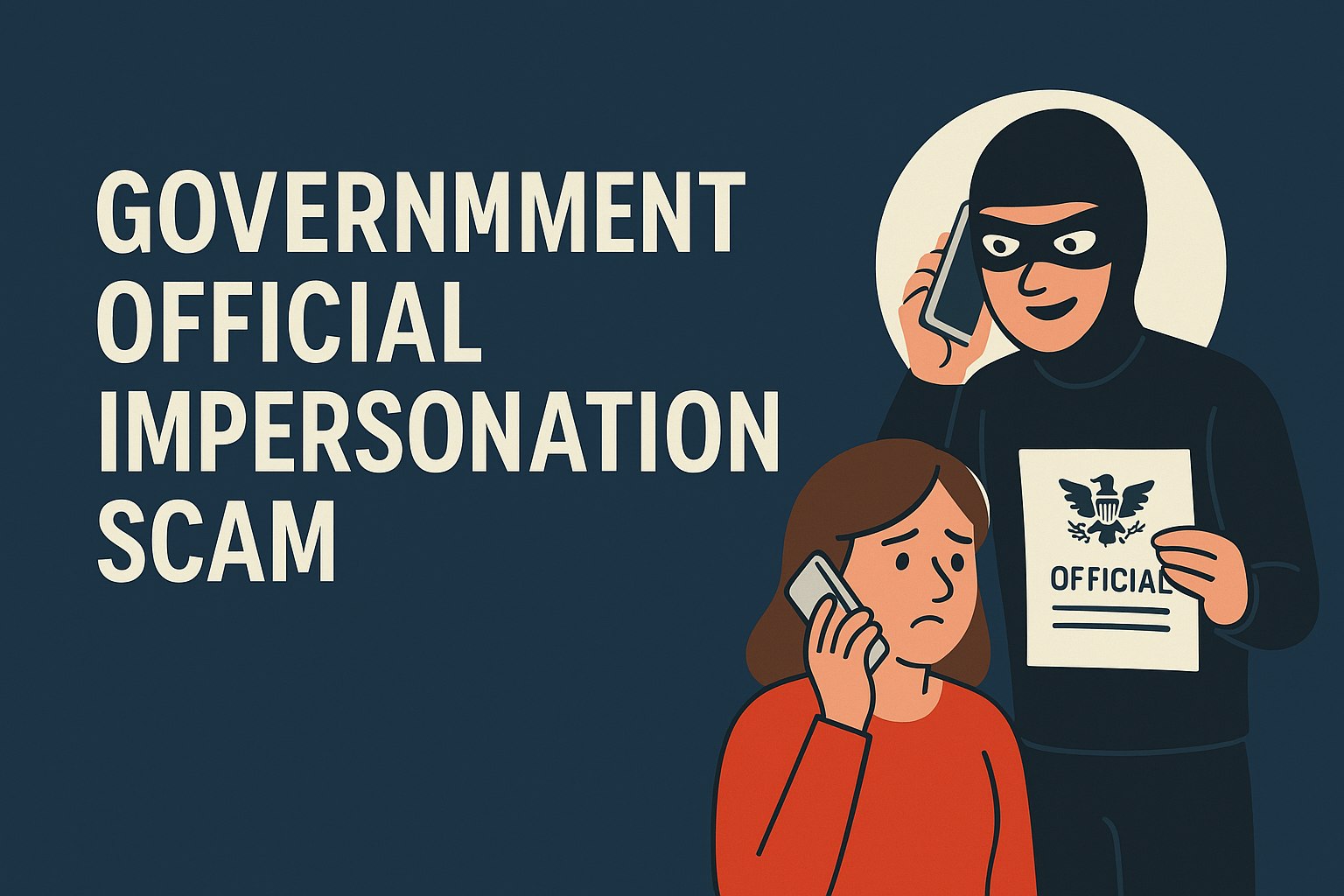
In an era defined by breathtaking technological advancement, a sinister and profoundly personal threat has emerged from the shadows of innovation: AI voice scams. This is not science fiction; it is a present-day global crisis, shattering lives and livelihoods with chilling efficiency. What began as crude phishing emails has evolved into a hyper-personalized form of digital treachery, leveraging artificial intelligence to clone the most trusted sound in the world a loved one’s voice. This article delves deep into the anatomy of this emerging global threat, exploring its mechanisms, its devastating human cost, the frightening accessibility of the technology behind it, and, crucially, a comprehensive defense strategy for individuals and organizations alike. For content creators and publishers, understanding this topic is not just about public service; it addresses high-search-volume cybersecurity and consumer fear themes, making it vital for both Adsense revenue and critical SEO relevance.
A. The Anatomy of a Modern Digital Nightmare: How AI Voice Scams Work
The power of an AI voice scam lies in its brutal simplicity and psychological precision. It bypasses all logical defenses by directly targeting the human heart. The process typically follows a horrifyingly effective script.
First, Data Harvesting and Target Identification. Scammers no longer cast wide nets blindly. They use sophisticated OSINT (Open Source Intelligence) techniques. Social media platforms like Facebook, Instagram, and TikTok are goldmines. A short video of a child saying, “Happy birthday, Grandma!” or a teenager showcasing a new car provides ample vocal samples. Public YouTube channels, podcast appearances, and even voicemail greetings are scraped to build a voiceprint.
Second, Voice Cloning and Synthesis. Using readily available AI voice cloning software, the scammer uploads the harvested audio sample. Modern algorithms can create a convincing clone from as little as 3-5 seconds of audio, though more samples increase verisimilitude. The tools analyze thousands of vocal characteristics: pitch, timbre, cadence, accent, and even distinctive breath patterns or mouth sounds. The output is a synthetic voice model that can be made to say anything the scammer types.
Third, The Execution of the Fraud. The cloned voice is deployed in a high-pressure, emotionally charged scenario. The most common is the “grandparent scam,” supercharged for the digital age. A panicked call: “Mom, it’s me! I’ve been in a terrible car accident!” Background noise of sirens and chaos is easily added. “My phone is broken, I’m borrowing a paramedic’s. I need bail money/I need you to pay the hospital directly/I’m embarrassed, please don’t tell Dad.” The urgency short-circuits critical thinking. The scammer then instructs the victim to wire money via untraceable means like cryptocurrency, wire transfers, or gift cards, often staying on the phone throughout the entire process to prevent verification.
B. Beyond Family: The Expanding Threat Landscape
While impersonating family members is the most common vector, the fraud ecosystem is rapidly diversifying, demonstrating the scalable threat of this technology.
A. CEO Fraud and Business Email Compromise (BEC) 2.0: Imagine receiving a call from your CEO’s verified number, with their unmistakable voice, urgently instructing you to wire $500,000 to a new vendor for a “confidential acquisition.” This is happening. Scammers clone executives’ voices from earnings calls or press interviews, often combining them with caller ID spoofing (a technique called vishing). The financial losses for businesses can be catastrophic, often in the millions per incident.
B. Virtual Kidnapping Schemes: This particularly vile scam involves criminals using a cloned voice of a supposed kidnapped victim, often with screams and pleas in the background, to extort ransom from terrified families. The “kidnappers” demand immediate payment, often in Bitcoin, and threaten harm if the family contacts authorities or tries to call the actual person, who is safe and unaware.
C. Romance Scam Amplification: Catfishing takes a horrifying new turn. After building an online relationship, the scammer can now send voice notes that perfectly mimic the persona they’ve created. This deepens the emotional manipulation, making the eventual request for money for a “medical emergency” or “travel funds” seem irrefutably genuine.
D. Political and Social Disinformation: The national security implications are staggering. A cloned voice of a political leader could be used to make inflammatory statements, manipulate markets, or incite social unrest during a crisis. Deepfake audio, combined with edited video, presents a future where seeing and hearing is no longer believing, eroding the very foundations of public trust.
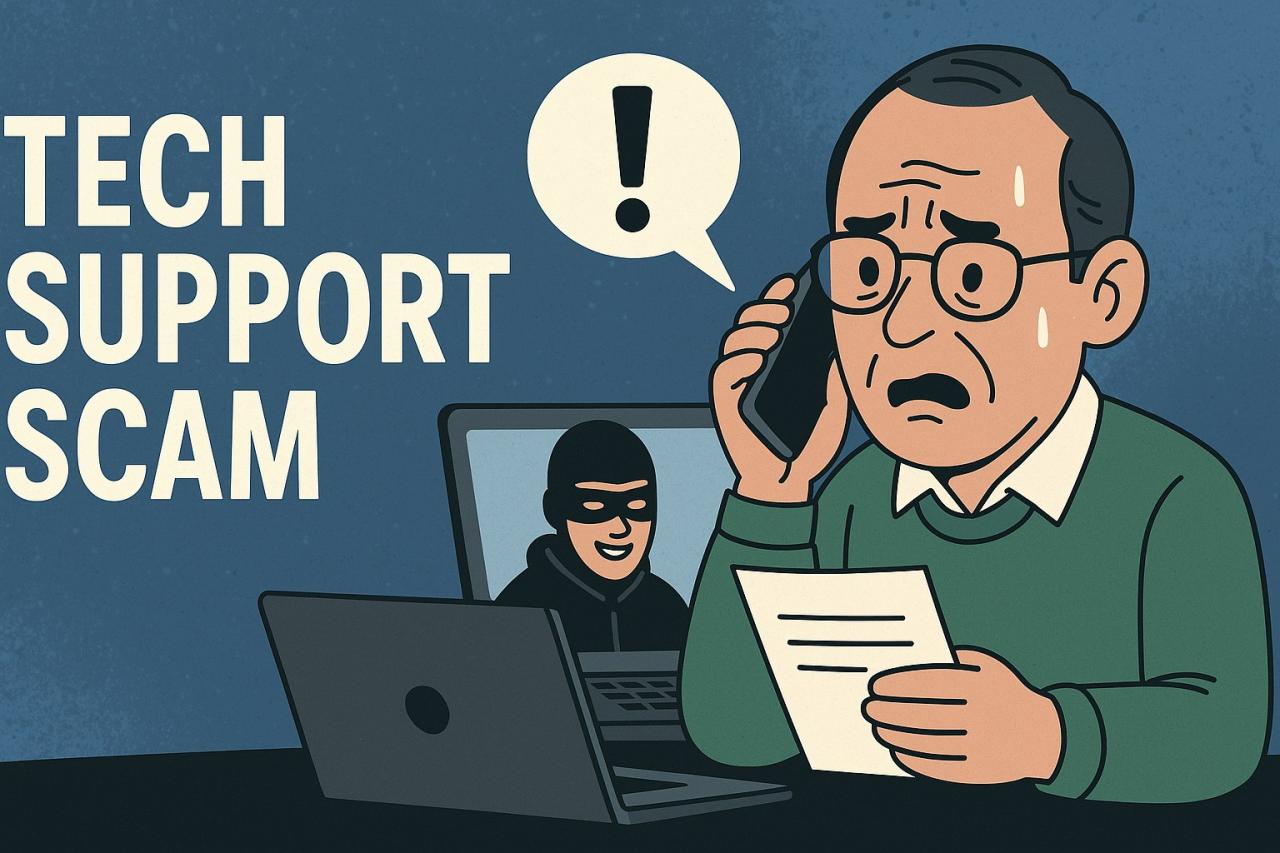
C. The Shockingly Accessible Toolkit of the Scammer
The democratization of this crime is what makes it a pandemic. Just a few years ago, creating a convincing voice clone required advanced technical skills and computing power. Today, it is a service available to anyone with an internet connection.
A. Freemium and Low-Cost Voice Cloning Apps: Numerous websites and apps offer voice cloning for a few dollars per minute of generated audio. Users simply upload a clean sample, type the script, and download the MP3. These platforms often have minimal safeguards and are hosted in jurisdictions with lax regulations.
B. Open-Source AI Models: Projects like GitHub-hosted Tacotron 2 and WaveNet, while created for legitimate research, have their architectures and sometimes pre-trained models accessible online. Tech-savvy criminals can fine-tune these models for malicious purposes.
C. Dark Web Marketplaces: For a premium, one can purchase custom cloning services, bundled with victim research (doxing) and money-muling services, creating a one-stop-shop for fraud. These marketplaces also share best practices and evade detection techniques.
This accessibility means the barrier to entry is virtually nonexistent. The scammer is no longer a coding genius in a hoodie; they could be a freelance criminal entrepreneur with a smartphone and a sinister idea.
D. The Human and Economic Fallout: More Than Just Lost Money
The impact of AI voice scams transcends financial loss. The psychological and societal damage is profound and lasting.
A. Financial Devastation: Victims are often retirees, grandparents, or mid-level employees, who lose life savings or incur massive debts. The FBI’s Internet Crime Complaint Center (IC3) reports losses from these scams, often categorized under “social engineering,” are skyrocketing, with individual losses frequently exceeding $100,000. Businesses face not only direct theft but also reputational harm and shareholder lawsuits.
B. Deep Psychological Trauma: The betrayal is personal. Victims report feeling profound shame, guilt, and a erosion of trust that affects all relationships. The moment they realize the voice of their “grandchild” in distress was a fabrication is a moment of deep psychological violation. This can lead to severe anxiety, depression, and social isolation, especially in older adults.
C. Erosion of Social Trust: When you can no longer trust the sound of a loved one’s voice, what can you trust? This technology weaponizes our fundamental human connection voice and turns it against us. It creates a society where skepticism overrides compassion, where a genuine call for help might be ignored due to fear of fraud.
E. Fortifying Your Defenses: A Multi-Layered Protection Strategy
Combating this threat requires a blend of digital hygiene, interpersonal protocols, and technological countermeasures. No single solution is foolproof; a layered defense is essential.
A. Establish a Family and Business “Code Word or Question.” This is the single most effective defense. Agree on an obscure, personal question only the real person would know the answer to (e.g., “What was the name of our first pet?” or “Where did we go on vacation in 1998?”). Use it immediately if any unusual financial request is made, especially under pressure.
B. Implement the “Verification Delay” Rule. Scammers thrive on urgency. Make it an ironclad rule: no financial actions based on a voice call alone. Hang up immediately. Then, call back the person directly on a previously known and trusted number (not the one provided by the caller) to verify the story. Contact another family member or colleague through a separate channel.
C. Lock Down Your Digital Voiceprint. This is preventive digital hygiene.
-
Audit Your Social Media: Review old posts and delete unnecessary videos with your voice or your family’s voices. Adjust privacy settings to “Friends Only” or stricter.
-
Be Mindful of Public Content: If you are a public figure or post business content, be aware that your voice is in the wild. Consider this when recording.
-
Use Unique Voicemail Greetings: Avoid using your full name or details. A simple “You’ve reached [number]. Please leave a message” is safer.
D. Leverage Technology for Detection and Prevention.
-
For Consumers: Some phone carriers offer call-labeling services that flag potential spam. Be skeptical of all unscheduled calls, even from “local” numbers.
-
For Businesses: Implement strict payment verification protocols that require multi-person approval for large transactions, especially those requesting changes to vendor payment details. Invest in employee security training that specifically includes vishing and AI voice scam simulations.
E. Report and Educate. If you are targeted or victimized:
-
Report immediately to your local law enforcement and national cybercrime units (like the FBI’s IC3 in the US).
-
File a report with the Federal Trade Commission (FTC).
-
Notify your bank and credit bureaus if financial information was shared.
-
Talk about it. Sharing your experience, without shame, is a powerful tool to inoculate your community. Educate older relatives during family gatherings.
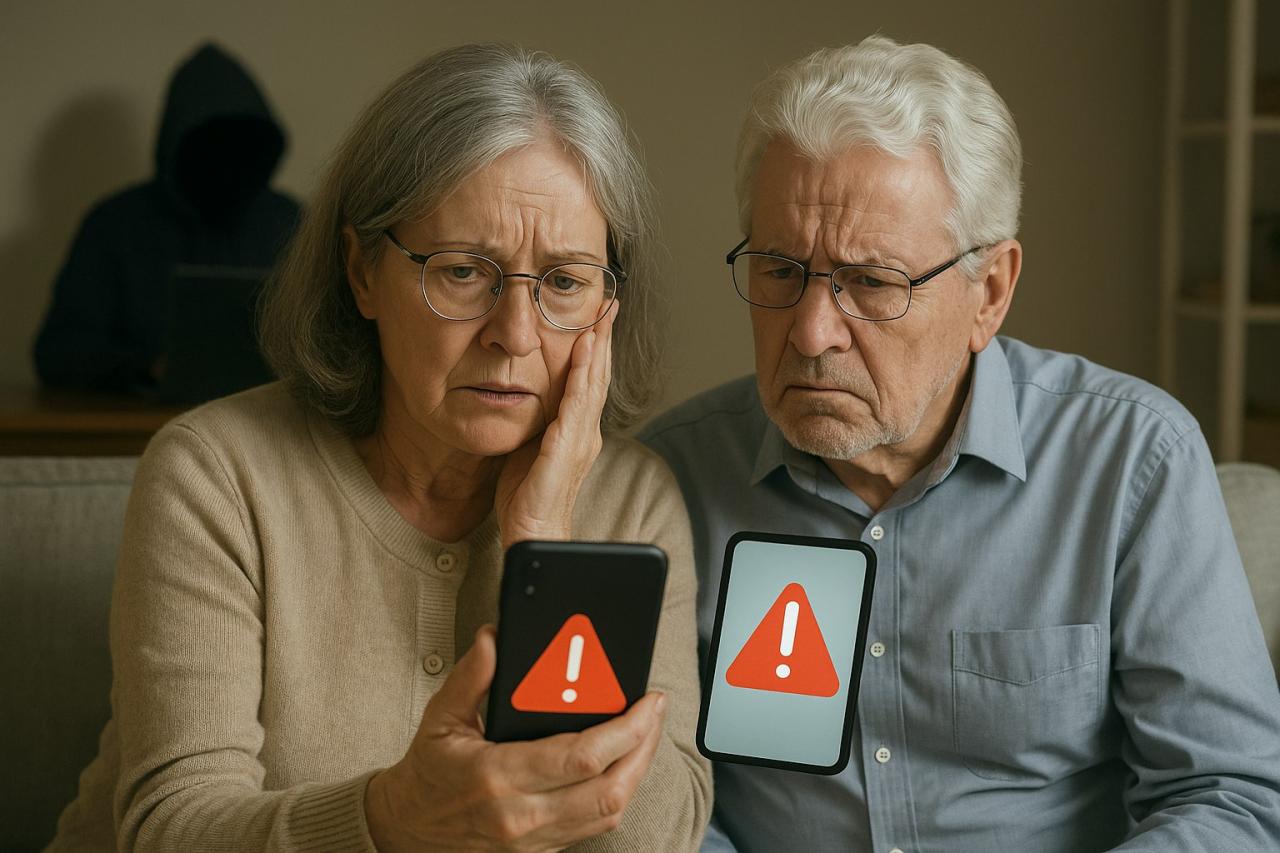
F. The Road Ahead: Regulation, Detection, and the Ethical Quandary
The arms race has begun. As the threat grows, so does the focus on solutions.
A. The Regulatory Frontier: Governments worldwide are scrambling to draft legislation. Potential paths include:
-
Requiring clear audio watermarks or disclosures for AI-generated content, similar to “robocall” announcements.
-
Strict licensing and KYC (Know Your Customer) requirements for companies providing voice cloning services.
-
Updating fraud and wiretapping laws to explicitly cover synthetic media used for crime.
A. The Rise of Detection Tools: Just as AI creates the problem, it may help solve it. Researchers are developing “AI detection AI” that looks for digital artifacts in synthetic speech unnatural pauses, inconsistent frequency patterns, or a lack of ambient noise that a real phone call would have. Browser extensions and platform-level detection are in early development.
C. The Fundamental Ethical Dilemma: The core technology is not inherently evil. It has magnificent applications: restoring voices for those with degenerative diseases, creating dynamic audiobooks, or enhancing video game narratives. The challenge for society is to foster and regulate ethical AI creating a framework where innovation thrives but is bounded by strong ethical guardrails and severe consequences for malicious use.
Conclusion
AI voice scams represent a paradigm shift in cybercrime, moving from exploiting system vulnerabilities to exploiting the very core of human emotion and trust. They are a stark reminder that our greatest technological leaps can be perverted into our most intimate weapons. While the technology is frighteningly accessible, our greatest defense remains human wisdom: skepticism of urgency, commitment to verification, and open communication. For publishers and creators, disseminating this knowledge is a critical service in the digital age. By understanding the threat, practicing vigilant digital hygiene, and implementing simple family protocols, we can build societal resilience. The goal is not to live in fear of every phone call, but to cultivate a new layer of informed caution, ensuring that our compassion is never again weaponized against us by the very tools designed to advance our world.