The digital landscape is undergoing a seismic and unsettling shift. A silent flood, not of water, but of fabricated reality, is saturating our social media feeds, eroding the very bedrock of trust upon which online interaction is built. At the forefront of this invasion are the faces of the world’s most recognizable individuals: celebrities, politicians, and influencers. Their likenesses are being surgically and digitally stolen to create hyper-realistic forgeries known as deepfakes. This is not a distant, speculative future; it is the pressing present, where viral deepfake celebrities have become a dominant and disturbing force on social platforms, challenging our perception of truth, consent, and security.
This phenomenon represents more than just a novel form of parody or mischief. It is a full-scale assault on individual autonomy and public discourse, powered by alarmingly accessible artificial intelligence. The implications cascade from deeply personal violations to societal-scale threats, forcing us to confront critical questions about technology’s role in our lives. This article delves into the mechanics of this crisis, explores its multifaceted impacts, and examines the complex battle being waged to contain it.
A. Understanding the Engine: How Deepfake Technology Creates Digital Doppelgangers
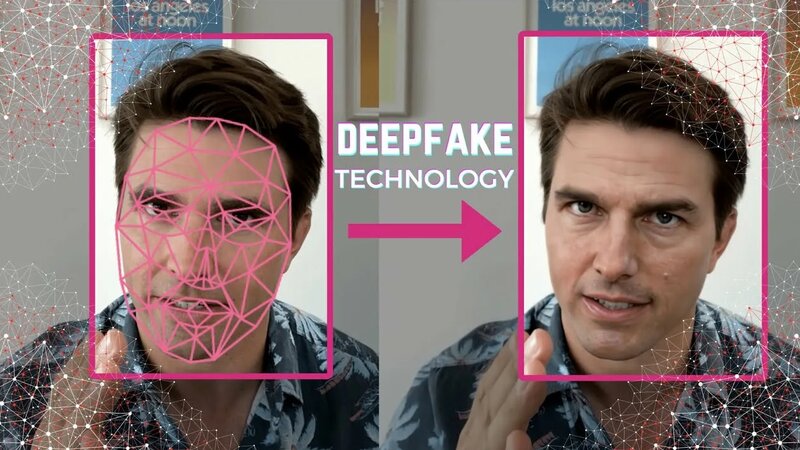
To comprehend the scale of the threat, one must first understand the sophisticated toolset enabling it. Deepfakes are a product of a branch of AI called “deep learning,” specifically using architectures known as Generative Adversarial Networks (GANs). Imagine a digital forger and a digital detective locked in an endless competition.
A. The process typically involves two neural networks:
1. The Generator: This network is the forger. Its job is to create fake images or videos. Initially, its outputs are crude and easily detectable.
2. The Discriminator: This network is the detective. It is trained on real images and videos of the target person. Its job is to identify whether the content it is shown is real or the Generator’s fake.
B. These two networks are pitted against each other in a continuous loop. The Generator strives to produce fakes so convincing that they fool the Discriminator. Each time the Discriminator catches a fake, the Generator learns from its mistakes and improves. This adversarial training continues until the Generator can produce synthetic media that is virtually indistinguishable from reality to the human eye and often to automated systems.
C. The accessibility of this technology has exploded. What once required supercomputers and PhD-level expertise can now be achieved with user-friendly apps and open-source software found online. A few hundred images of a person easily scraped from social media profiles, red carpets, and interviews are sufficient to train a model capable of putting that person’s face onto any body, making them say any words, or perform any action. This democratization of deception is the fuel for the viral deepfake epidemic.
B. Beyond Humor: The Multifaceted Threats of Viral Celebrity Deepfakes
The viral spread of celebrity deepfakes is not monolithic; it manifests in several distinct forms, each with escalating levels of harm.
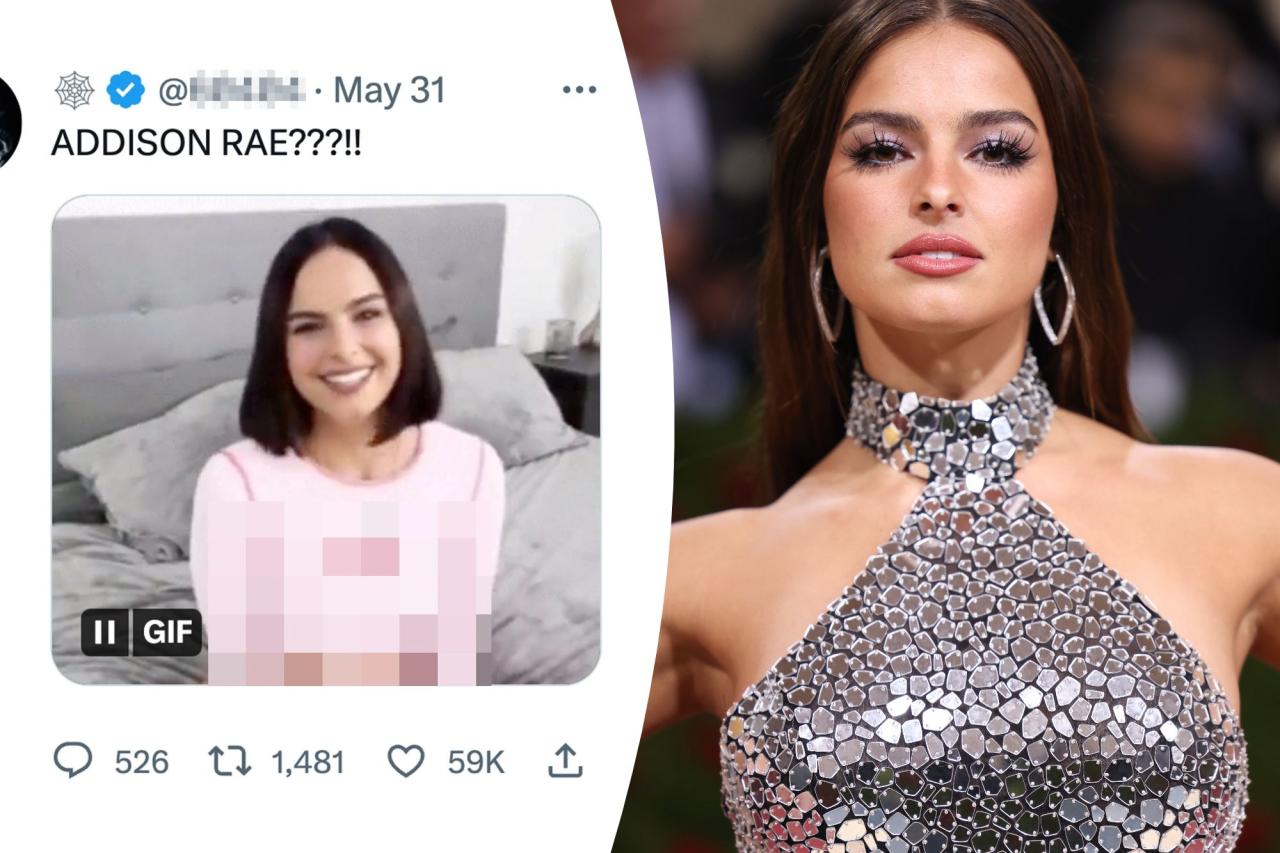
A. Non-Consensual Intimate Imagery (NCII) and Revenge Porn: This is one of the most grievous and personal abuses. Celebrities, particularly female actors, singers, and streamers, have been primary targets. Their faces are seamlessly grafted onto the bodies of performers in explicit content. This digital sexual assault is weaponized to humiliate, harass, and cause profound psychological trauma, all while damaging reputations and careers built over decades.
B. Fraud, Scams, and Financial Manipulation: The veneer of celebrity trust is exploited for financial gain. Deepfakes of respected business figures like Elon Musk or Warren Buffett are used to create fraudulent endorsement videos for cryptocurrency scams, fake investment platforms, or phishing schemes. A viral video of a celebrity seemingly urging followers to “send $100 to this wallet for a guaranteed return” can swindle millions from unsuspecting fans in a matter of hours.
C. Political Misinformation and Propaganda: The potential to destabilize democracies is profound. Imagine a deepfake of a national leader declaring war, ordering military mobilization, or admitting to a grave crime hours before an election. While such high-stakes forgeries are closely monitored, lower-level propaganda is rampant manipulating a politician’s speech to change its meaning, making them appear drunk, incompetent, or disrespectful to manipulate public opinion and undermine electoral processes.
D. Reputational Sabotage and Brand Damage: For a celebrity, their image is their currency. A strategically released deepfake can cause immediate and severe reputational harm. A fabricated video of an actor making racist remarks, a singer violently lashing out at a fan, or an athlete confessing to doping can trigger massive public backlash, lost endorsements, and derailed projects, regardless of its veracity. The “proof-is-in-the-video” culture makes rebuttal an uphill battle.
E. The Erosion of Public Trust and “The Liar’s Dividend”: Perhaps the most insidious long-term effect is the erosion of objective reality. As the public becomes aware of deepfakes, a dangerous phenomenon called “the liar’s dividend” emerges. This is the idea that the mere existence of deepfakes allows genuine wrongdoers to dismiss authentic, damning evidence as mere forgeries. A politician caught in a real scandal can now plausibly claim, “That’s a deepfake,” casting doubt on journalism and credible evidence, thereby crippling accountability.
C. The Algorithmic Amplifier: Why Social Media Platforms Struggle to Contain the Flood
Social media platforms, built on engagement-maximizing algorithms, have become the perfect distribution network for malicious deepfakes. Their very design principles work against effective containment.
A. Engagement-At-Any-Cost Models: Platforms prioritize content that generates strong reactions shock, outrage, fear, or titillation. A sensational deepfake video fulfills this criteria perfectly, leading algorithms to promote it aggressively across feeds and recommendation engines, guaranteeing virality before any human moderator can even review it.
B. The Speed vs. Accuracy Dilemma: Deepfakes can be created and uploaded in minutes, spreading globally at the speed of a click. The content moderation systems of even the best-resourced platforms are reactive, not proactive. They rely on a combination of user reports and AI detection tools that constantly race to catch up with the latest generation of forgery technology. By the time a viral deepfake is taken down, it has already been viewed, shared, and downloaded millions of times, with copies proliferating faster than they can be removed.
C. Inconsistent and Opaque Policies: The regulatory landscape for synthetic media is a patchwork. Platform policies often lag behind technological advances. Definitions of harm vary, and enforcement is inconsistent. What is banned on one platform may be left up with a warning label on another, creating loopholes that bad actors readily exploit.
D. Fighting the Fire: The Multidisciplinary Battle Against Synthetic Media
Combating the deepfake epidemic requires a concerted effort across technology, law, media literacy, and individual vigilance. There is no single silver bullet.
A. Technological Detection and Authentication:
1. Forensic AI Detectors: Companies and researchers are developing advanced AI tools that look for digital fingerprints left by GANs—subtle artifacts in lighting, blinking patterns, facial textures, or inconsistencies in audio-video synchronization that are invisible to humans.
2. Provenance and Watermarking: A promising approach is focusing on content authentication at the point of creation. Initiatives like the Coalition for Content Provenance and Authenticity (C2PA) are developing standards for digital “watermarks” that cryptographically sign media at its source (e.g., a professional camera or phone). This would allow platforms to instantly verify the origin and edit history of any piece of content.
B. Legal and Regulatory Frameworks: Governments worldwide are scrambling to draft legislation.
1. Targeted Laws: Several jurisdictions have passed laws specifically criminalizing the creation and distribution of malicious deepfakes, particularly NCII and election-interference content. These laws aim to provide clear legal recourse for victims.
2. Platform Accountability: Broader reforms, like the EU’s Digital Services Act (DSA), are moving towards holding platforms legally responsible for systemic risks, forcing them to invest more in robust content moderation and transparency measures to curb the spread of harmful synthetic media.
C. The Critical Human Element: Media Literacy and Public Education: Technology and law alone are insufficient. The final line of defense is a skeptical and educated public.
1. Critical Consumption: Users must be trained to not take viral content at face value. This involves checking sources, looking for corroboration from reputable news outlets, examining videos for odd glitches (unnatural eye movement, blurring, strange shadows), and considering the motive behind the post.
2. Slow Down and Verify: The culture of instant sharing must be countered with a mantra of “pause and verify.” Simple reverse-image searches, checking the uploader’s history, and waiting for fact-checkers to weigh in can break the chain of viral misinformation.
D. Industry and Individual Responsibility:
1. Platform Investment: Social media companies must move beyond mere lip service and commit significant resources to developing and deploying detection technologies, staffing skilled moderation teams, and creating clear, user-friendly reporting channels for synthetic media.
2. Celebrity and Public Figure Protocols: High-profile individuals are adopting proactive strategies. This includes maintaining secure digital archives of their true footage for comparison, working with cybersecurity firms to monitor for forgeries, and using their platforms to immediately debunk fakes and educate their followers.
E. The Future Landscape: Navigating a World of Synthetic Reality
The genie is out of the bottle. Deepfake technology will continue to advance, becoming cheaper, faster, and even more realistic. The future landscape will likely be one where we cannot always trust what we see or hear.
A. The Rise of “Reality Authentication” as a Service: We may see the emergence of trusted third-party verification services. Before a major public statement or advertisement is released, it could be cryptographically signed and registered. Browsers and social media apps could then display a verified “authentic” badge, much like the blue checks of today but tied to content, not just identity.
B. A Paradigm Shift in Evidence and Journalism: The legal system and journalism will need to adapt fundamentally. The standard of evidence will evolve to require chain-of-custody and digital provenance for audiovisual materials. Journalists will become trained in digital forensics as a core skill.
C. The Potential for Positive Application: It is crucial to remember that the underlying technology is not inherently evil. It holds promise for positive applications: revolutionizing filmmaking by de-aging actors or translating performances into other languages seamlessly, creating personalized educational content with historical figures, or allowing individuals to control their digital avatars in telepresence. The challenge is fostering innovation while mitigating profound harm.
Conclusion: Reclaiming Truth in the Digital Age
The viral flood of celebrity deepfakes is a stark canary in the coal mine, signaling a broader crisis of truth in the digital age. It is a powerful reminder that every technological leap forward carries a shadow. The hijacking of celebrity likenesses is merely the most visible symptom of a disease that threatens to infect our entire information ecosystem.
Navigating this new reality demands a collective, vigilant, and nuanced response. It requires technologists to build better defenses, legislators to craft smarter laws, platforms to act with greater responsibility, and every individual to become a more critical consumer of media. The goal cannot be the impossible task of eradicating deepfakes, but rather of building a society resilient enough to withstand their deceptive power. We must forge a new consensus on authenticity, value verified information, and ultimately, reaffirm our commitment to a shared reality even as the tools to dismantle it lie at our fingertips. The battle for truth has entered its digital phase, and the stakes have never been higher.