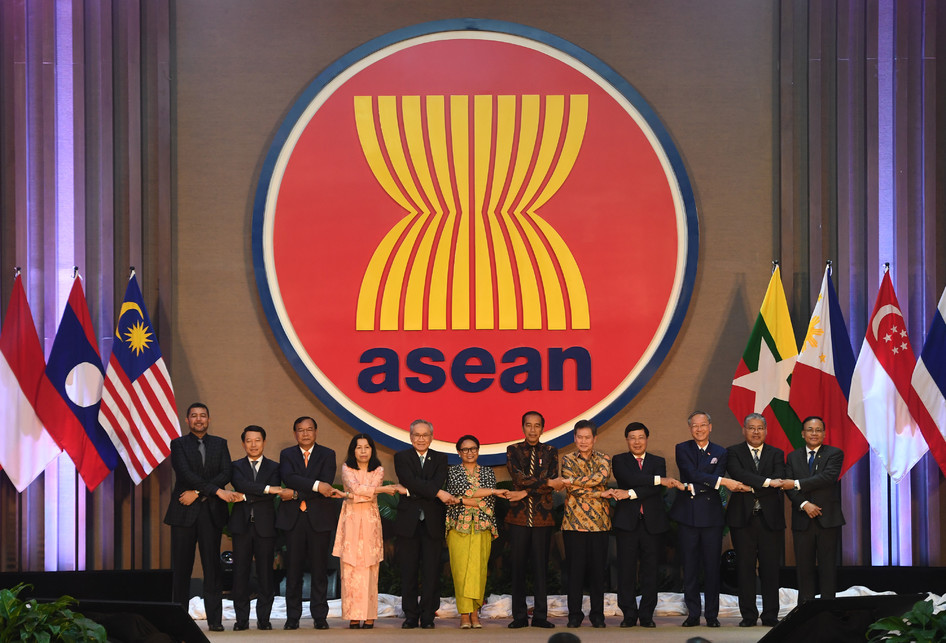
The Association of Southeast Asian Nations (ASEAN) stands at a pivotal juncture in the 21st century’s economic narrative. Comprising ten diverse nations Indonesia, Thailand, Singapore, Malaysia, Philippines, Vietnam, Brunei, Cambodia, Laos, and Myanmar the region is a powerhouse of over 660 million people, with a burgeoning middle class and skyrocketing internet penetration. Recognizing the transformative power of technology, ASEAN is not merely adapting to the digital age; it is architecting its own destiny through a visionary and cohesive strategy: the ASEAN Digital Economy Framework Agreement (DEFA). This initiative represents more than a policy document; it is a collective blueprint to forge the world’s most significant digital economic bloc, projected to add an estimated $2 trillion to regional GDP by 2030. This comprehensive article delves into the pillars, challenges, and profound implications of this unified framework, illustrating how it aims to seamlessly connect markets, empower citizens, and secure ASEAN’s competitive edge on the global stage.
A. The Imperative for a Unified Digital Vision
The digital economies within ASEAN have historically grown in silos, with each member state developing at its own pace and according to its unique domestic priorities. While this led to local innovations, it also erected significant barriers: fragmented regulations, incompatible digital systems, restrictive data localization policies, and complex customs procedures for e-commerce. A small tech startup in Jakarta faced daunting hurdles trying to sell its software in Thailand or process payments from Vietnam. This fragmentation stifled the region’s immense potential.
The urgency for integration is fueled by several converging factors. First, the demographic dividend: ASEAN has a young, tech-savvy population that is rapidly coming online, driving demand for digital services. Second, the seismic shift in global supply chains prompts a need for regional resilience and innovation-led growth. Third, the rise of digital giants from the US, China, and Europe necessitates a collective approach to ensure ASEAN businesses can compete and that regional data and consumers are protected. The DEFA emerges as the strategic answer, aiming to transform ten individual digital markets into a single, fluid, and powerful digital ecosystem.
B. Core Pillars of the ASEAN Digital Integration Framework
The DEFA is built upon several interdependent pillars designed to create a frictionless digital landscape. These pillars are the operational heart of the agreement.
A. Seamless Cross-Border Data Flows with Trust
Data is the lifeblood of the modern economy. The framework seeks to establish common rules for data protection and cross-border data transfers, moving away from stringent localization mandates that increase costs for businesses. The goal is to implement a model based on “trusted data flows,” where ASEAN nations agree on baseline standards for privacy and security (inspired by models like GDPR but tailored to regional contexts), allowing data to move freely to fuel innovation, cloud computing, and data analytics while safeguarding citizen privacy.
B. Interoperable Digital Payments and Identity
Financial inclusion and seamless transactions are critical. The framework aggressively promotes the harmonization of digital payment systems. Imagine a QR code generated by an e-wallet in Singapore being instantly scannable and payable by a user in a rural Philippine market. This involves standardizing technical protocols, fostering regulatory cooperation among central banks, and encouraging the adoption of regional payment gateways. Coupled with this is the push for mutual recognition of digital identities, which would allow citizens to access financial services, sign documents, and verify themselves across borders with ease.
C. Harmonized Digital Trade and E-Commerce Regulations
To unlock the full potential of online trade, ASEAN is working to create a predictable legal environment. This includes standardizing electronic transactions and signatures, simplifying customs clearance for low-value goods, enhancing consumer protection mechanisms across borders, and addressing issues like online dispute resolution. The aim is to make buying and selling across ASEAN as straightforward as domestic trade, empowering SMEs to become regional players.
D. Nurturing a Regional Digital Talent Pipeline
A digital economy cannot thrive without a skilled workforce. The framework places heavy emphasis on human capital development through regional cooperation in STEM education, vocational training, and upskilling programs. It encourages the mutual recognition of digital skills certifications and fosters collaboration between universities, tech companies, and governments to close the talent gap, particularly in high-demand fields like AI, cybersecurity, and data science.
E. Catalyzing Innovation and Startup Synergy
ASEAN aims to become a global hub for startups. The DEFA facilitates this by encouraging joint innovation projects, creating pathways for venture capital to flow more freely across borders, and establishing networks of incubators and accelerators. Initiatives like the ASEAN Startup Network are pivotal, helping startups scale regionally from day one rather than being confined to their home markets.
F. Robust Cybersecurity Cooperation
As connectivity deepens, so do vulnerabilities. A unified digital economy requires a unified front against cyber threats. The framework mandates enhanced collaboration on cybersecurity policies, information-sharing on threats and best practices, and joint capacity-building exercises to protect critical digital infrastructure across the region.
C. Addressing the Challenges on the Path to Integration
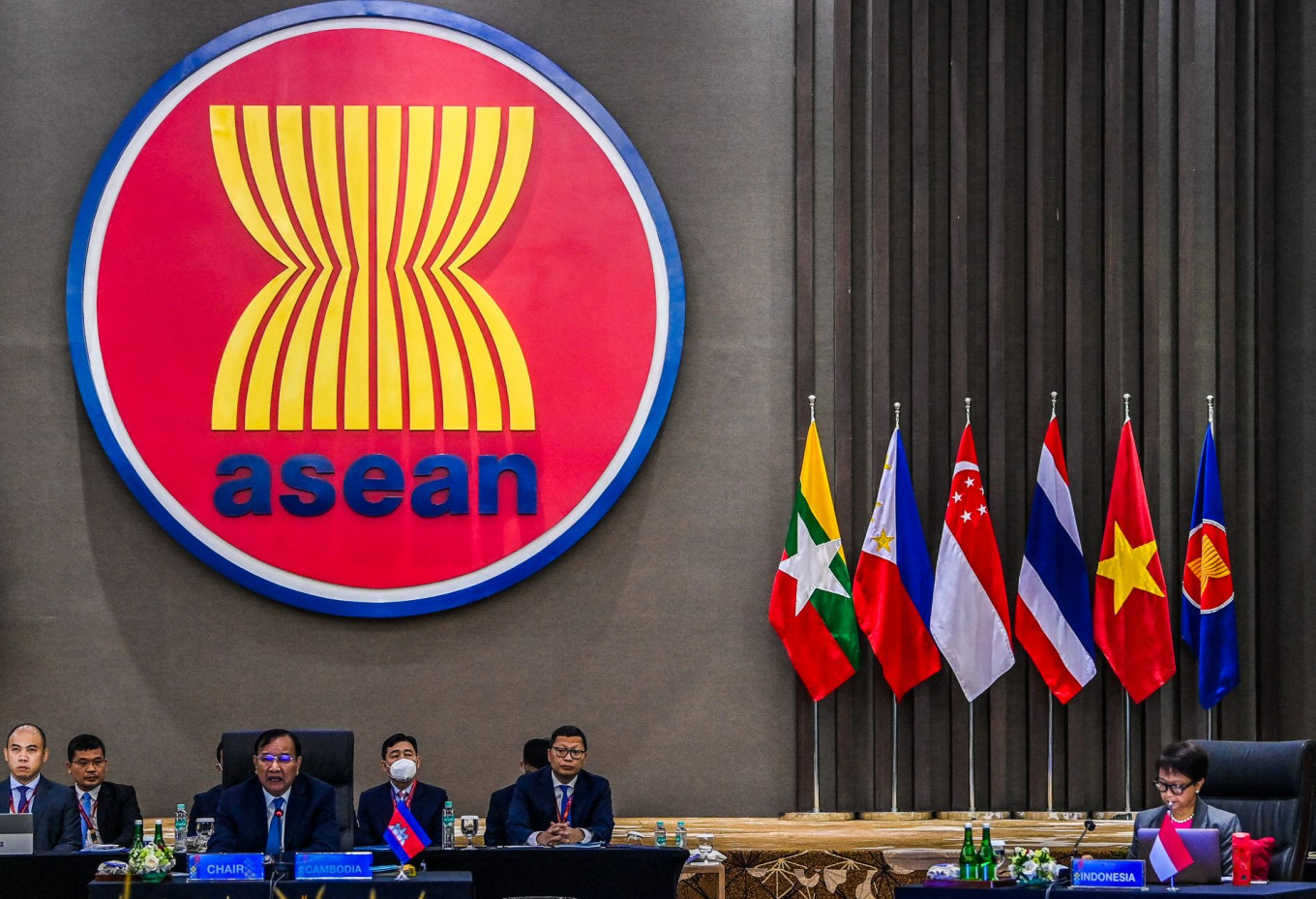
The vision is grand, but the path is strewn with challenges that ASEAN must navigate with diplomacy and determination.
A. The Vast Development Divide
The digital readiness gap between members like Singapore (a global tech hub) and emerging economies like Laos or Myanmar is substantial. Bridging this “digital divide” in infrastructure, regulatory maturity, and human capital is paramount to ensure inclusive growth and prevent further inequality. This requires targeted investment, technology transfer, and capacity-building assistance from more advanced members.
B. Sovereignty vs. Harmonization Dilemma
Ceding some degree of regulatory control to achieve regional standards is a sensitive issue. Nations are rightly protective of their sovereignty, particularly concerning data governance, national security, and cultural norms. The DEFA must strike a delicate balance, offering enough flexibility for national adaptation while enforcing core, non-negotiable principles for integration.
C. Legislative and Implementation Hurdles
Translating the high-level framework into binding national laws is a monumental task. Each country has its own legislative timeline and political dynamics. Consistent implementation and effective monitoring will require a strong, empowered regional secretariat and a steadfast political commitment from all members.
D. Navigating Great Power Technological Rivalry
ASEAN’s digital ecosystem is a battleground for influence between major tech powers. The region must strategically manage partnerships regarding 5G infrastructure, cloud services, and AI development, ensuring its framework is not dominated by external standards but instead serves ASEAN’s collective interests and strategic autonomy.
D. The Transformative Impact: A Future Reimagined
The successful implementation of the ASEAN DEFA promises to reshape the region’s socio-economic landscape profoundly.
A. Supercharged Economic Growth and SME Empowerment
By creating a single digital market, the framework will drastically lower barriers to entry. SMEs, which form the backbone of ASEAN economies, will gain unprecedented access to a market of hundreds of millions. This will drive innovation, increase export opportunities, and attract massive foreign direct investment into the digital sector.
B. Enhanced Global Competitiveness and Strategic Autonomy
A unified ASEAN digital bloc will have far greater leverage in international trade negotiations and standard-setting bodies. Instead of ten small voices, it can project one powerful, cohesive voice on issues like digital trade, internet governance, and ethical AI, ensuring its interests are represented on the world stage.
C. Inclusive Societal Advancement
Beyond economics, the framework fosters societal integration. It enables access to cross-border telemedicine, remote education from regional institutions, and efficient digital government services. It can enhance labor mobility as skills certifications gain recognition, allowing talent to move to where opportunities exist, optimizing the regional labor market.
D. A Model for Regional Cooperation
The ASEAN DEFA, if successful, will stand as a landmark achievement in regional economic integration, offering a template for other blocs in the Global South. It demonstrates how diverse nations can collaborate to harness the Fourth Industrial Revolution for collective prosperity.
 E. The Road Ahead: From Blueprint to Reality
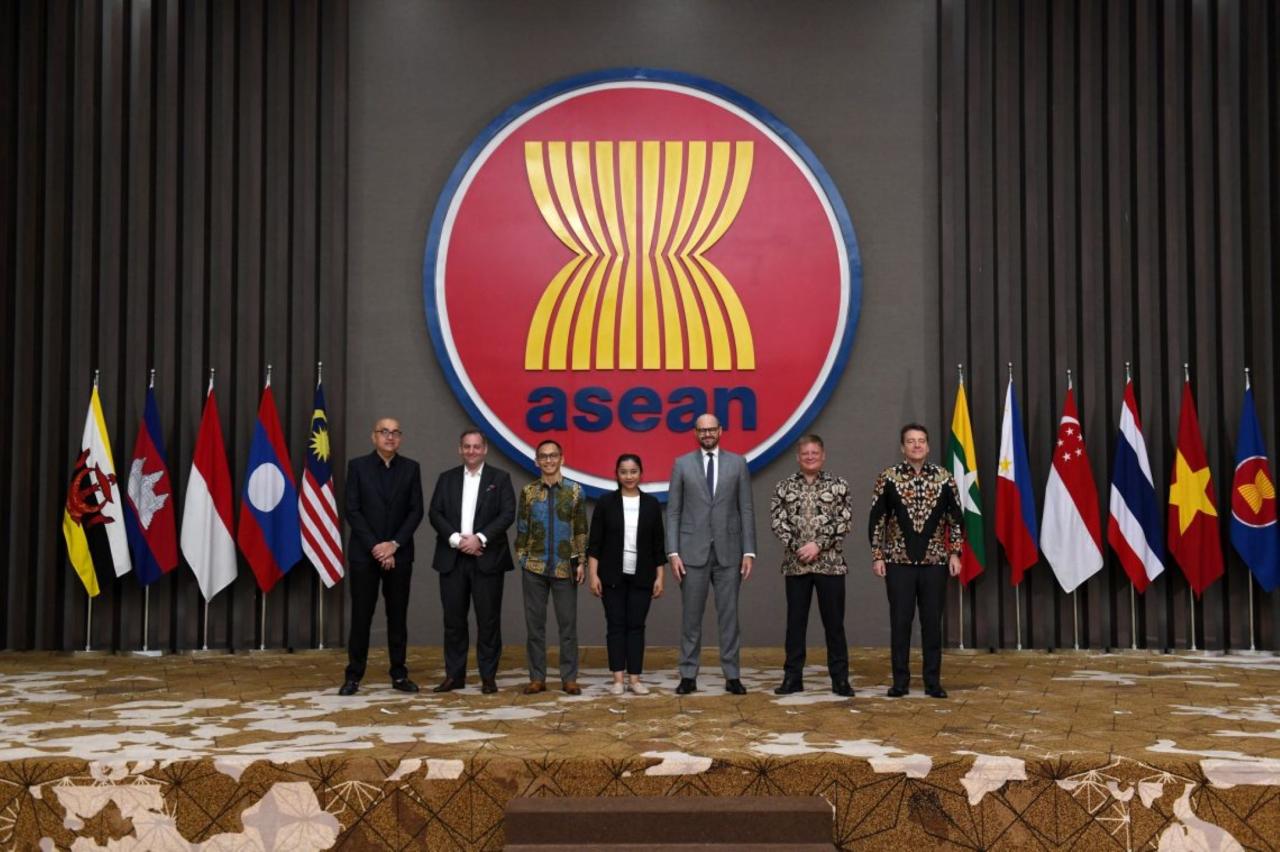
The journey from framework to fully realized digital community is ongoing. Key next steps include concluding the detailed negotiations of the DEFA by 2025, establishing clear timelines and milestones for implementation, and creating robust public-private partnerships to drive investment. Continuous dialogue with all stakeholders businesses, civil society, and the technical community is essential to build an inclusive and sustainable digital future.
Crucially, success depends on political will. Leaders across ASEAN must consistently prioritize this agenda, viewing digital integration not as a technical side-project but as a central pillar of the region’s long-term security and prosperity.
Conclusion
The ASEAN Unified Digital Economy Framework is far more than an economic agreement; it is a bold statement of ambition and unity. It acknowledges that in the digital century, fragmentation is a weakness and integration is the ultimate source of strength. By deliberately weaving together its digital threads data, payments, talent, and trade ASEAN is constructing a resilient and dynamic tapestry of growth. While challenges are inevitable, the collective resolve to build an interconnected, innovative, and inclusive digital community positions ASEAN not just as a participant in the global digital revolution, but as a leading architect of its next chapter. The framework is the foundation upon which the region will build its future, ensuring that the dividends of the digital age are shared broadly, propelling ASEAN toward a more prosperous, secure, and connected tomorrow.