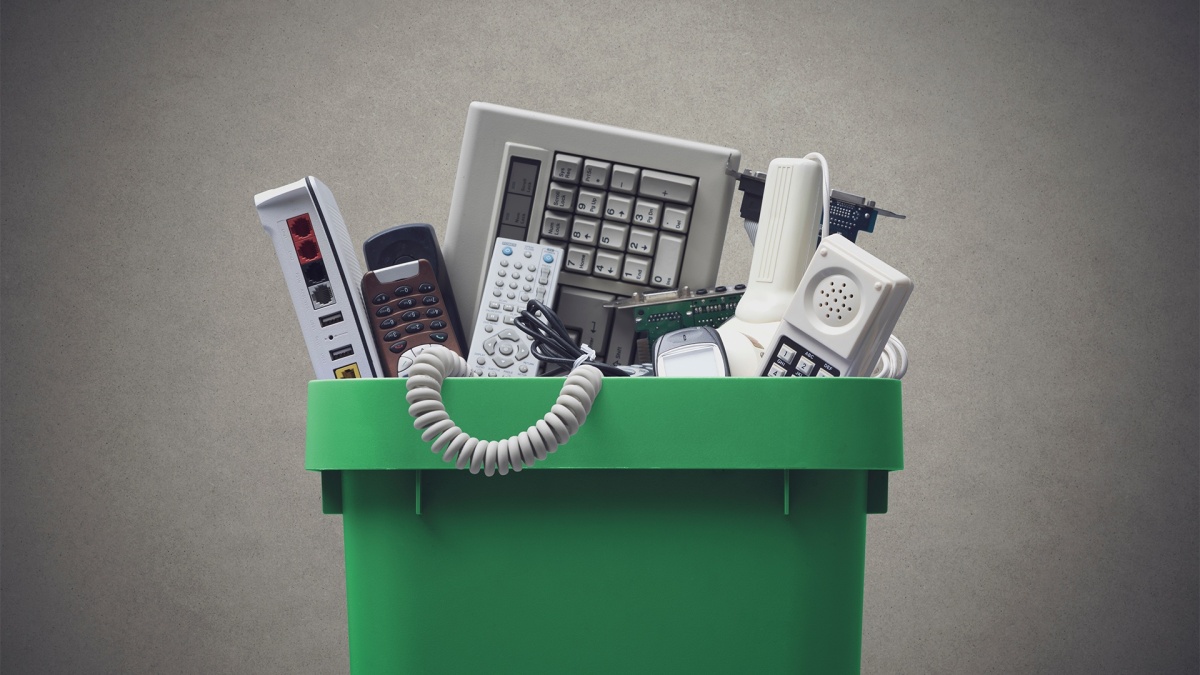
In the whirlwind of technological advancement that defines our era, a dark and rapidly growing shadow follows closely behind: electronic waste, or e-waste. Touted as the world’s fastest-growing domestic waste stream, the e-waste crisis represents a monumental environmental, health, and economic challenge. This deluge of discarded electronics from obsolete smartphones and defunct laptops to forgotten peripherals and discarded appliances is a direct byproduct of our insatiable appetite for the latest gadgets. This article delves deep into the anatomy of this global emergency, exploring its origins, its dire consequences, and the actionable pathways we can take toward a more sustainable digital future.
A. Defining the Scope: What Constitutes E-Waste?
E-Waste encompasses any electrical or electronic equipment that is discarded by its owner as waste without the intent of reuse. This broad category includes, but is not limited to:
A. Information and Communication Technology (ICT) Equipment: Smartphones, computers, laptops, tablets, monitors, printers, and routers.
B. Consumer Electronics: Televisions, audio systems, DVD/Blu-ray players, digital cameras, and gaming consoles.
C. Large and Small Household Appliances: Refrigerators, air conditioners, washing machines, microwaves, toasters, and electric kettles.
D. Lighting Equipment: Fluorescent lamps, LED bulbs, and high-intensity discharge lamps.
E. Power Tools and Recreational Equipment: Electric drills, saws, and even electronic toys and exercise machines.
The critical distinction of e-waste from ordinary municipal waste lies in its complex composition. It is a paradoxical mix of valuable, reusable materials and hazardous, toxic substances, making its disposal a matter of both resource opportunity and severe public health risk.
B. The Drivers of the E-Waste Avalanche
Several interconnected factors fuel the relentless growth of e-waste, creating a perfect storm of disposability.
A. The Culture of Planned Obsolescence and Rapid Innovation: Many manufacturers design products with limited lifespans, either through hardware that becomes slow with software updates, non-replaceable batteries, or a lack of repair options. Coupled with aggressive marketing of new features, this encourages consumers to replace devices every 2-3 years, rather than repair them.
B. Expanding Global Connectivity and Affordability: The digital divide is narrowing. Access to cheap smartphones, tablets, and electronics is expanding rapidly in developing and emerging economies, bringing millions online but also seeding future waste streams.
C. The Proliferation of the “Internet of Things” (IoT): Our homes and cities are becoming smarter. From Wi-Fi-enabled refrigerators and smartwatches to connected thermostats and security cameras, the explosion of IoT devices exponentially increases the number of electronic endpoints that will eventually become waste.
D. Ineffective and Inconvenient Recycling Systems: In many regions, proper e-waste recycling is either non-existent, inconveniently located, or comes with a fee. This lack of accessible infrastructure leads to e-waste being mixed with general trash, destined for landfills or incinerators.
C. The Toxic Aftermath: Environmental and Health Repercussions
The improper handling of e-waste often through crude dismantling in informal sectors or dumping in landfills—unleashes a cocktail of toxins with devastating consequences.
A. Soil and Water Contamination: When e-waste is landfilled or informally processed, heavy metals like lead, mercury, cadmium, and chromium leach into the soil and groundwater. These contaminants can enter the food chain and local water supplies, causing long-term ecological damage.
B. Air Pollution and Atmospheric Damage: The common practice of open-air burning to recover precious metals from circuit boards and wires releases highly toxic dioxins, furans, and particulate matter into the air. This not only contributes to climate change but also causes severe respiratory and other health problems for nearby communities.
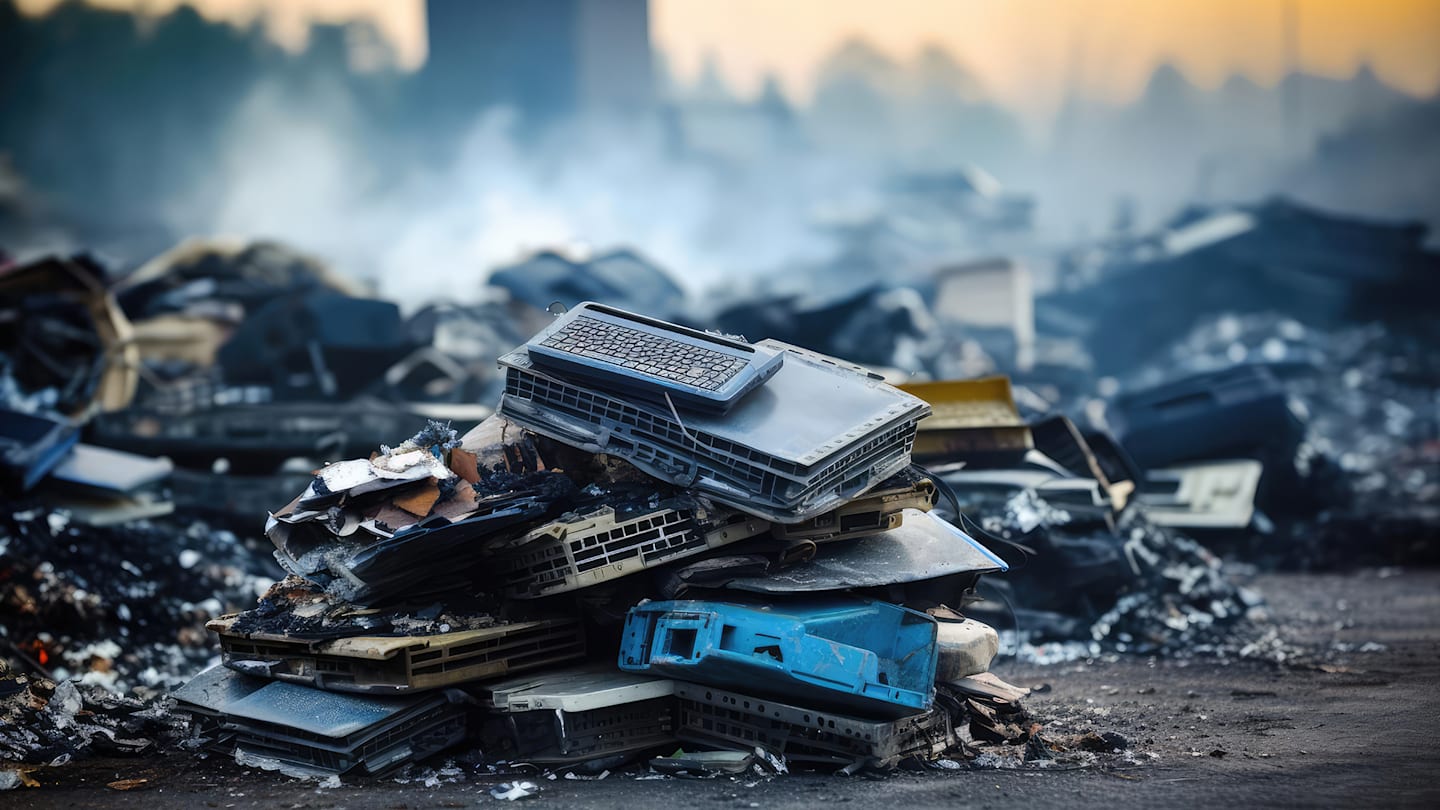
C. Direct Human Health Hazards: Workers in informal recycling hubs, often without protective gear, are exposed directly to these hazardous substances. Health impacts include damage to the nervous system, kidneys, bones, and reproductive systems. Children are particularly vulnerable, facing risks of impaired cognitive development and lifelong health issues.
D. Resource Depletion and Energy Waste: Electronics contain finite, valuable resources like gold, silver, copper, palladium, and rare earth elements. Dumping e-waste means continuously mining virgin materials, a process that is energy-intensive, ecologically destructive, and geopolitically sensitive.
D. The Lost Fortune: The Economic Potential of Urban Mining
Herein lies one of the greatest ironies of the e-waste crisis: we are throwing away a fortune. The concept of “urban mining” extracting precious metals and materials from discarded electronics presents a colossal economic opportunity.
A. Comparative Resource Yield: Studies indicate that one metric ton of mobile phone circuit boards can contain up to 100 times more gold than one metric ton of gold ore. Recovering materials from e-waste is significantly more energy-efficient than traditional mining.
B. Enhancing Supply Chain Security: For nations and manufacturers dependent on imported rare earth elements and critical metals, a robust e-waste recycling industry can bolster supply chain resilience, reduce vulnerability to market volatility, and promote a circular economy.
C. Job Creation in the Formal Sector: Developing sophisticated, formal e-waste collection and processing infrastructure can create a new green economy sector, generating safe, skilled employment in logistics, engineering, and material recovery.
E. Charting a Sustainable Path Forward: Multi-Stakeholder Solutions
Addressing the e-waste catastrophe requires a concerted, global effort involving every link in the chain, from designers to consumers.
A. Embracing Extended Producer Responsibility (EPR): EPR policies legally mandate electronics manufacturers to manage the entire lifecycle of their products, including end-of-life collection and environmentally sound recycling. This incentivizes companies to design products that are more durable, repairable, and recyclable from the outset.
B. Designing for Circularity: The solution begins on the drawing board. Industry must prioritize modular design, use of standardized components, easy disassembly, and non-toxic, single-material components. The right to repair legislation is crucial in supporting this shift.
C. Strengthening Global and National Regulatory Frameworks: International cooperation, such as the Basel Convention, must be enforced to prevent the dumping of e-waste in developing countries. Nations need to implement and enforce robust laws that ban illegal dumping and promote certified recycling.
D. Investing in Advanced Recycling Technologies: Innovation is key. Investment in automated, efficient, and safe recycling technologies like hydrometallurgical processes and advanced shredding/separation systems—can increase recovery rates and make formal recycling more profitable and safe.
E. Cultivating Conscious Consumerism: The power of the consumer cannot be understated. We can drive change by:
-
Choosing products known for durability and repairability.
-
Extending device lifespans through proper care and software maintenance.
-
Selling, donating, or trading in old but functional electronics.
-
Utilizing certified e-waste recyclers for end-of-life disposal, never the regular trash bin.
-
Supporting brands and policies that champion circular economy principles.
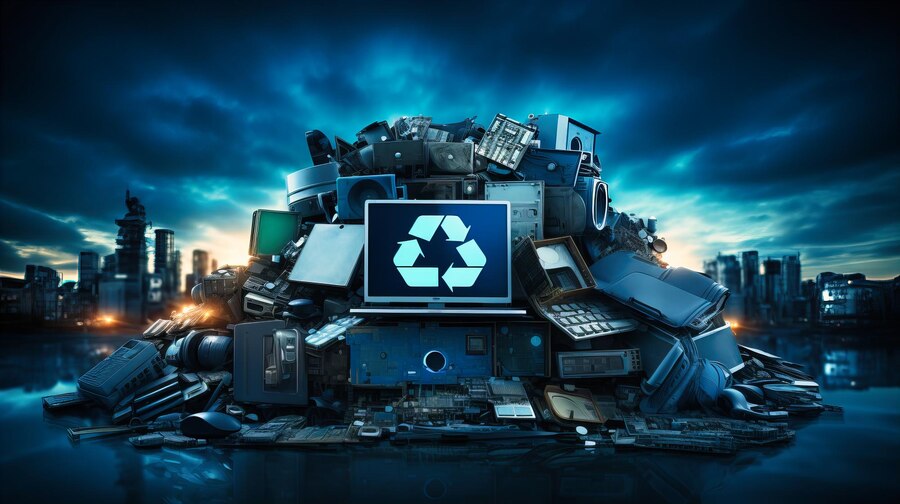
F. The Role of Innovation and Emerging Technologies
Beyond recycling, technology itself offers part of the solution. The development of biodegradable electronics, advances in material science to replace rare earth elements, and blockchain for tracking product lifecycles and material flows are on the horizon. Furthermore, innovative business models such as “Product-as-a-Service,” where consumers lease devices and manufacturers retain ownership and responsibility for refurbishment and recycling, could redefine our relationship with technology.
Conclusion: A Call for Collective Digital Responsibility
The e-waste crisis is not an inevitable byproduct of progress; it is a direct result of linear economic thinking and disposable culture. As the digital and physical worlds become increasingly intertwined, managing the afterlife of our devices is no longer a niche environmental issue but a fundamental test of our global sustainability. The mountain of e-waste is growing by the minute, but within it lies both a grave warning and a golden opportunity. By transforming our approach from one of neglect to one of resource stewardship through better design, stringent regulation, technological innovation, and informed consumer choice we can dismantle the crisis and build a truly circular digital ecosystem. The time for action is now; our planet’s health and our collective future depend on the choices we make with our discarded past.