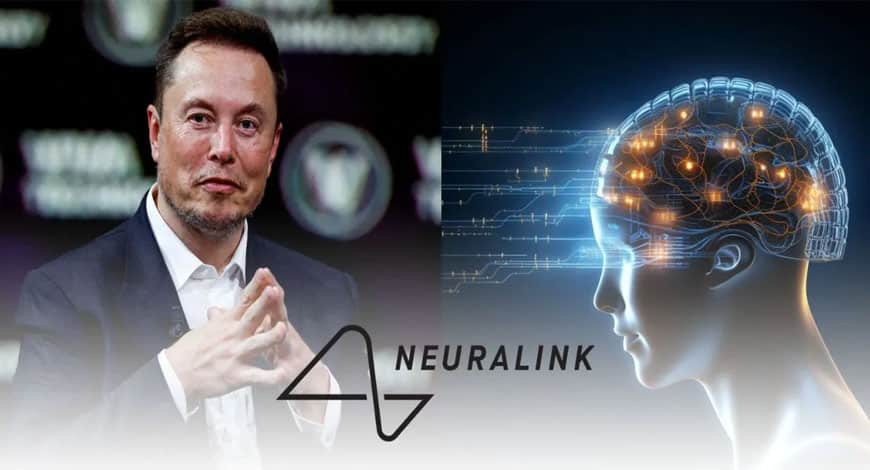
The frontier of human-machine integration has taken a monumental leap forward. In early 2024, Neuralink, the neurotechnology company founded by Elon Musk, unveiled the preliminary results of its first-in-human clinical trial, marking a pivotal chapter not just for the company, but for the entire field of brain-computer interfaces (BCIs). This long-awaited data, emerging from the PRIME Study (Precise Robotically Implanted Brain-Computer Interface), provides the first tangible glimpse into the safety, functionality, and potential of a novel, fully implantable wireless BCI in a human participant. Beyond the headlines and hype, the outcomes signal a complex narrative of remarkable short-term success intertwined with significant long-term challenges and ethical questions. This comprehensive analysis delves into the trial’s methodology, the groundbreaking results, the technical innovations, the comparative landscape, and the profound implications for medicine, society, and our very conception of human capability.
A. The PRIME Study: Objectives and Participant Profile
Neuralink’s PRIME Study is an ongoing, open-label, single-center feasibility investigation. Its primary goals are twofold: to assess the safety of the N1 implant and the R1 surgical robot, and to evaluate the initial functionality of the brain-computer interface for enabling individuals with paralysis to control external devices with their thoughts.
The first participant is a 29-year-old man named Noland Arbaugh, who sustained a cervical spinal cord injury approximately eight years prior to the implant surgery. This injury resulted in tetraplegia, meaning he has limited movement and sensation in all four limbs. Mr. Arbaugh represents the initial target demographic for Neuralink’s technology: individuals with severe motor impairments due to conditions like spinal cord injury, amyotrophic lateral sclerosis (ALS), or stroke. His participation is the crucial first step in translating years of animal testing into human application.
B. The Neuralink System: A Technical Breakdown
To appreciate the results, one must understand the system being tested. Unlike some BCIs that use electrode arrays placed on the brain’s surface (electrocorticography), Neuralink employs a more invasive, high-density approach.
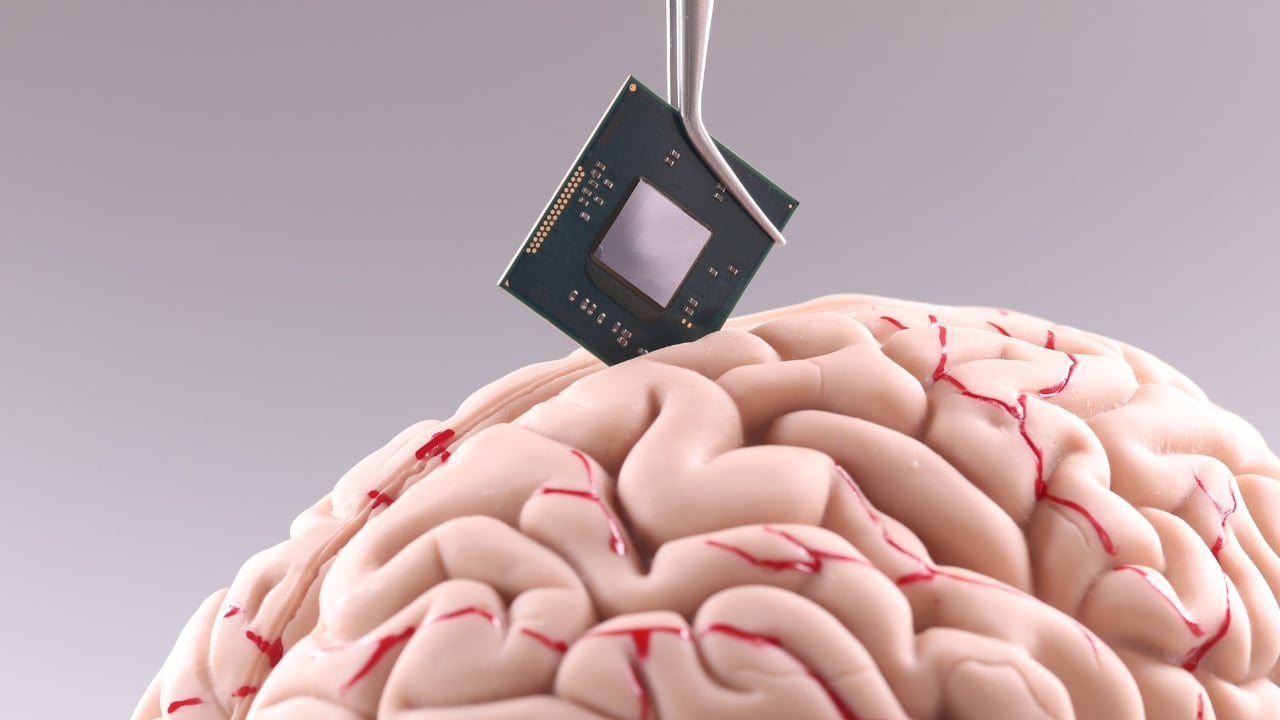
A. The N1 Implant: This is a coin-sized, sealed device containing ultra-low-power custom chips, a battery, and wireless connectivity. It is implanted flush with the skull, making it cosmetically invisible.
B. The Electrode Threads: The most critical components are 64 flexible polymer threads, thinner than a human hair, each bearing 16 electrodes for a total of 1,024 sites. These threads are inserted into the motor cortex, the brain region responsible for planning and executing movement.
C. The R1 Surgical Robot: Given the fragility and small scale of the threads, manual insertion is impossible. The R1 robot is designed for high-precision, minimally invasive surgery to insert the threads while avoiding surface vasculature.
D. The User Application: The implanted N1 transmits neural data wirelessly to a proprietary app running on a tablet or computer. This app decodes the user’s intended movements in real-time.
C. Reported Outcomes: Safety, Usability, and Initial Performance
The preliminary results, shared via a company blog post and live demonstration, can be categorized into three areas: surgical safety, device functionality, and user experience.
A. Surgical and Short-Term Safety:
The implantation surgery, performed by a neurosurgeon utilizing the R1 robot, was reported as successful with no immediate adverse health effects. The participant was discharged from the hospital within 24 hours—a remarkably short timeline for a craniotomy procedure. This suggests the surgical protocol was minimally disruptive. Neuralink reported that in the weeks following implantation, some threads retracted from the brain tissue, leading to a measurable decrease in the number of effective electrodes. This is a known engineering challenge in chronic BCI implants due to the brain’s natural micromotions and immune response (the glial scar). Despite this, the system remained functional.
B. Functional Performance and “NeuralCursor” Control:
The core functional goal was “telepathic” control of a computer cursor. The BCI was configured to interpret neural activity related to intended hand movement. Within days, the participant achieved the ability to move a computer cursor on a screen. He demonstrated this by:
A. Playing online chess, strategically contemplating and executing moves.
B. Controlling a digital piano to play simple songs.
C. Engaging in marathon sessions of the classic video game “Civilization VI” for up to eight hours at a time.
The control paradigm was likened to a “NeuralCursor,” operating with a high degree of intentionality. Reports indicated the participant could achieve cursor control speeds that began to approach, and in some metrics rival, those of other leading BCIs that often use physically tethered systems.
C. User Experience and Quality of Life Impact:
Perhaps the most powerful data point is qualitative. Mr. Arbaugh described the learning process as intuitive, requiring mere thought about where he wanted the cursor to move. He emphasized the restoration of a degree of autonomy and engagement previously lost, allowing him to browse the internet, communicate via messaging, and pursue leisure activities independently. The wireless nature of the system provided a freedom of movement and use not possible with pedestal-and-cable based BCIs. He poignantly noted the ability to lie in bed and use his computer as a transformative experience.
D. Comparative Analysis: Neuralink in the Broader BCI Ecosystem
Neuralink’s entry is not into a vacuum. Academic labs and companies like Synchron, Blackrock Neurotech, and Paradromics have been pioneers.
A. Synchron’s Stentrode: A less invasive BCI delivered via blood vessels, already in human trials with promising safety data, though with a lower electrode count and bandwidth.
B. Academic & Open-Source Platforms: Systems like BrainGate have used wired electrode arrays for nearly two decades, enabling humans to control robotic arms and computer interfaces. They have an extensive published safety and efficacy record.
C. Key Differentiators of Neuralink:
1. Scale and Integration: The high electrode count (1024 channels) and fully implanted, wireless form factor represent a significant engineering leap.
2. Surgical Automation: The R1 robot aims to standardize and scale the delicate implantation procedure.
3. Consumer-Focused Design: From the invisible implant to the intuitive app, the system is designed with broader future adoption in mind, beyond the clinic.
Neuralink’s early human data shows comparable or superior speed in cursor control to some established systems, but its long-term safety profile and electrode stability remain to be fully validated against decades of research from other platforms.
E. Challenges, Limitations, and Unanswered Questions
The promising start is tempered by critical unknowns and hurdles.
A. Long-Term Biocompatibility and Safety: The primary safety endpoint of the trial is over one year. Key questions persist: How will the device materials hold up over a decade? What is the long-term risk of infection, inflammation, or scarring? The observed thread retraction highlights the chronic stability challenge.
B. Data Fidelity and Decoding Longevity: As the brain tissue reacts to the implant, the quality and characteristics of neural signals can drift. Adaptive machine learning algorithms are crucial. Can Neuralink’s software maintain high-performance decoding over years?
C. The “Bandwidth” Question: While 1024 channels are many, some neuroscientists argue that truly nuanced cognitive communication may require recording from hundreds of thousands or millions of neurons. The current design may have limits for more complex applications.
D. The Surgical Hurdle: Despite the robot’s precision, the procedure remains a major neurosurgical operation with inherent risks. For widespread use, the risk-benefit ratio must be exceedingly clear, especially for potential non-therapeutic applications in the future.
F. Ethical and Societal Implications: A New Dawn, A New Debate
The success of this first trial accelerates urgent ethical discussions.
A. Informed Consent in Vulnerable Populations: Ensuring that individuals with severe disabilities fully understand the risks of a novel, invasive device is paramount. The profound hope for a cure must not cloud the consent process.
B. Data Privacy and Security: Neuralink will have access to the ultimate private data: a user’s neural activity. Robust, encrypted protocols are non-negotiable to prevent hacking or misuse of cognitive data.
C. The “Therapeutic vs. Enhancement” Pathway: The initial goal is therapeutic, restoring lost function. However, the technology’s logical extension is human enhancement—memory augmentation, cognitive boosting, or direct brain-to-brain communication. Society must establish regulatory and ethical frameworks for this transition.
D. Accessibility and Equity: If successful, such advanced neurotech could be prohibitively expensive, potentially creating a societal divide between those with “enhanced” cognitive access and those without. Ensuring equitable access is a fundamental challenge.
G. The Road Ahead: From Cursor Control to a Symbiotic Future
Neuralink’s stated roadmap extends far beyond cursor control. The PRIME Study will continue to monitor the first participant and enroll more. Future functional aims include:
A. Bidirectional Interfaces: Not just reading neural signals, but writing them back to the brain to restore sensation or sight.
B. Motor Restoration: Controlling exoskeletons or enabling functional electrical stimulation of the participant’s own limbs.
C. Telepathy and “Consensus” Thought: A long-term, speculative vision involves enabling direct, conceptual communication between individuals via their neural implants.
The first human results are a proof-of-concept for the foundational hardware. The journey from moving a cursor to seamlessly restoring complex motor function is immense and will require iterative improvements in materials science, neural decoding algorithms, and rehabilitation protocols.
Conclusion: A Significant Milestone on a Long Journey
Neuralink’s first human trial results are undeniably historic. They demonstrate that a fully implantable, high-channel-count wireless BCI can be surgically placed in a human and can facilitate rapid, intuitive control of a digital interface, significantly impacting a participant’s quality of life. This validates key aspects of the company’s ambitious engineering approach.
However, it is merely the end of the beginning. The results highlight early promise, not definitive success. The true test will be sustained safety, reliability, and functionality over years in a larger cohort of participants. The trial catapults Neuralink from a subject of speculation to a serious clinical entity, but it also embeds the company firmly within the complex, collaborative, and ethically charged endeavor of neurotechnology. As the field progresses, a balanced perspective is essential: celebrating the profound potential to alleviate human suffering while rigorously navigating the technical, clinical, and ethical labyrinths that lie ahead. The story of merging human consciousness with artificial intelligence is no longer science fiction; it is a clinical protocol, and its first chapter has now been published.