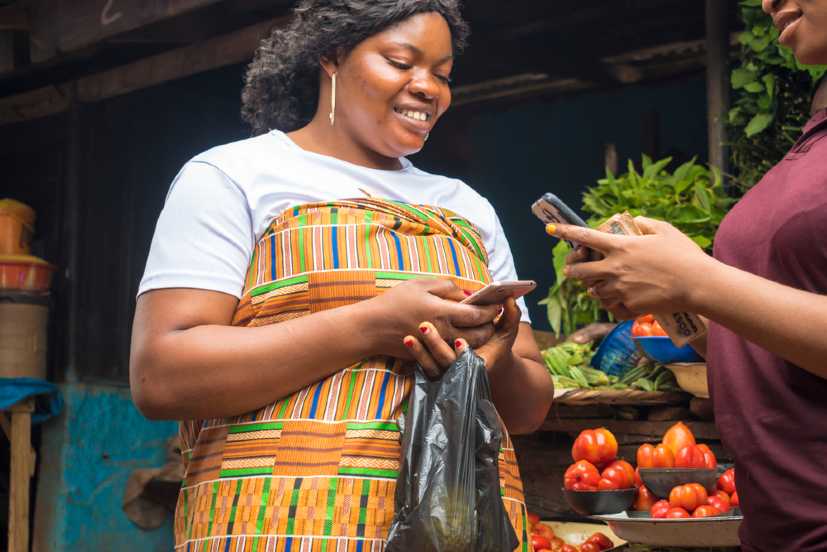
In the 21st century, financial inclusion has become a cornerstone of economic development, and nowhere is this more evident than across the African continent. While many regions globally grapple with integrating unbanked populations, Africa has pioneered a financial revolution not built on traditional banking infrastructure, but on the ubiquitous mobile phone. This phenomenon, known as mobile money, has evolved from a simple utility for airtime top-ups into a comprehensive, dynamic, and transformative ecosystem driving commerce, empowering individuals, and reshaping national economies. Africa’s mobile money revolution is no longer merely expanding; it is accelerating at an unprecedented pace, creating a parallel digital financial universe that is increasingly integrated with global systems. This deep dive explores the roots, current drivers, multifaceted impacts, and the formidable future of mobile money in Africa, analyzing how this innovation is overcoming systemic barriers and setting a global benchmark for inclusive finance.
A. The Genesis: How Africa Became the Cradle of Mobile Money
The story of mobile money in Africa is one of necessity breeding groundbreaking innovation. The traditional banking sector, characterized by limited branch networks, high transaction fees, and stringent identity requirements, failed to serve the vast majority of the population, especially in rural and peri-urban areas. Concurrently, mobile phone penetration exploded, leapfrogging fixed-line infrastructure. This confluence created the perfect environment for M-Pesa, launched in Kenya by Safaricom in 2007. It was not the first mobile money service globally, but its design was perfectly tailored to local needs: it operated on basic feature phones, used a simple USSD menu, and leveraged a vast network of human agents for cash-in/cash-out services. Its success in facilitating peer-to-peer transfers, bill payments, and micro-savings provided a replicable blueprint. The revolution began not as a top-down financial policy, but as a pragmatic, accessible solution to everyday economic friction, proving that financial tools could thrive without brick-and-mortar banks.
B. Core Catalysts Propelling the Current Expansion
The revolution’s expansion is now fueled by a more complex and interconnected set of drivers beyond basic peer-to-peer transfers.
A. Smartphone and Data Affordability: The plummeting cost of smartphones and mobile data is shifting users from USSD-based services to sophisticated mobile applications. This enables a richer suite of financial services, including microloans, insurance products (insurtech), and investment platforms, all within a single ecosystem.
B. Regulatory Evolution and Sandbox Environments: Progressive regulators in nations like Ghana, Nigeria, Rwanda, and Kenya have moved from skepticism to enabling. The creation of specific regulatory frameworks for Payment Service Providers (PSPs) and digital banks, along with regulatory “sandboxes” that allow for live testing of innovations, has provided the legal clarity and safety needed for investment and growth.
C. Strategic Interoperability: Early mobile money systems were often closed-loop networks. Today, mandatory interoperability, enforced by regulators or adopted by industry consortia, allows users to send money across different telecom networks and even between mobile wallets and traditional bank accounts. This breaks down silos and creates a unified financial marketplace.
D. The Rise of Digital Ecosystems: Mobile money platforms are no longer standalone products. They are becoming the central rails for entire digital economies. They integrate with agricultural tech (AgriTech) platforms for crop payments, with ride-hailing and e-commerce apps for seamless checkout, and with utility companies for automated bill payments, creating sticky, indispensable ecosystems.
E. COVID-19 Pandemic as an Accelerant: The pandemic served as a massive behavioral forcing function. Fear of viral transmission through physical cash, combined with lockdowns, pushed millions of merchants, governments, and individuals to adopt digital payments for social welfare disbursements, merchant payments (via QR codes), and remote transactions, cementing mobile money’s role as critical infrastructure.
C. The Multidimensional Impact on Society and Economy
The ripple effects of mobile money’s expansion are profound and touch every aspect of socio-economic life.
A. Financial Inclusion on an Unprecedented Scale: The World Bank notes that Sub-Saharan Africa remains the epicenter of the global mobile money boom. Services have brought formal financial tools to millions of smallholder farmers, women-led businesses, and youth who were previously excluded. This is not just about a transactional account; it’s about creating a financial identity and history.
B. Women’s Economic Empowerment: Mobile money has been particularly transformative for women. It provides privacy, security, and control over finances, reducing reliance on male family members for cash. Women entrepreneurs can now receive payments, save securely, and access credit directly, fostering greater economic autonomy and participation.
C. Catalyzing Entrepreneurship and SME Growth: For small and medium-sized enterprises (SMEs), which form the backbone of African economies, mobile money reduces the costs and risks of handling cash, simplifies record-keeping, and enables access to digital credit. Platforms like M-Pesa’s Fuliza (Kenya) or MTN’s MoKash (Uganda) offer instant, small-scale overdrafts that keep businesses fluid.
D. Enhancing Government Efficiency and Transparency: Governments are leveraging mobile money for bulk disbursements like social welfare, pension, and civil servant salaries. This method drastically reduces leakages, ensures funds reach the intended beneficiaries directly and instantly, and lowers administrative costs. It also expands the tax base by bringing informal transactions into a traceable digital realm.
E. Strengthening Resilience and Social Cohesion: The ability to send instant remittances, both domestically and from the diaspora, has become a vital safety net. During droughts, conflicts, or personal crises, mobile money enables rapid support networks, strengthening community resilience. Cross-border mobile money corridors are also reducing the cost of remittances significantly.
D. Navigating the Challenges and Risks on the Path Forward
Despite its stellar growth, the mobile money landscape faces significant hurdles that must be navigated to ensure sustainable and equitable growth.
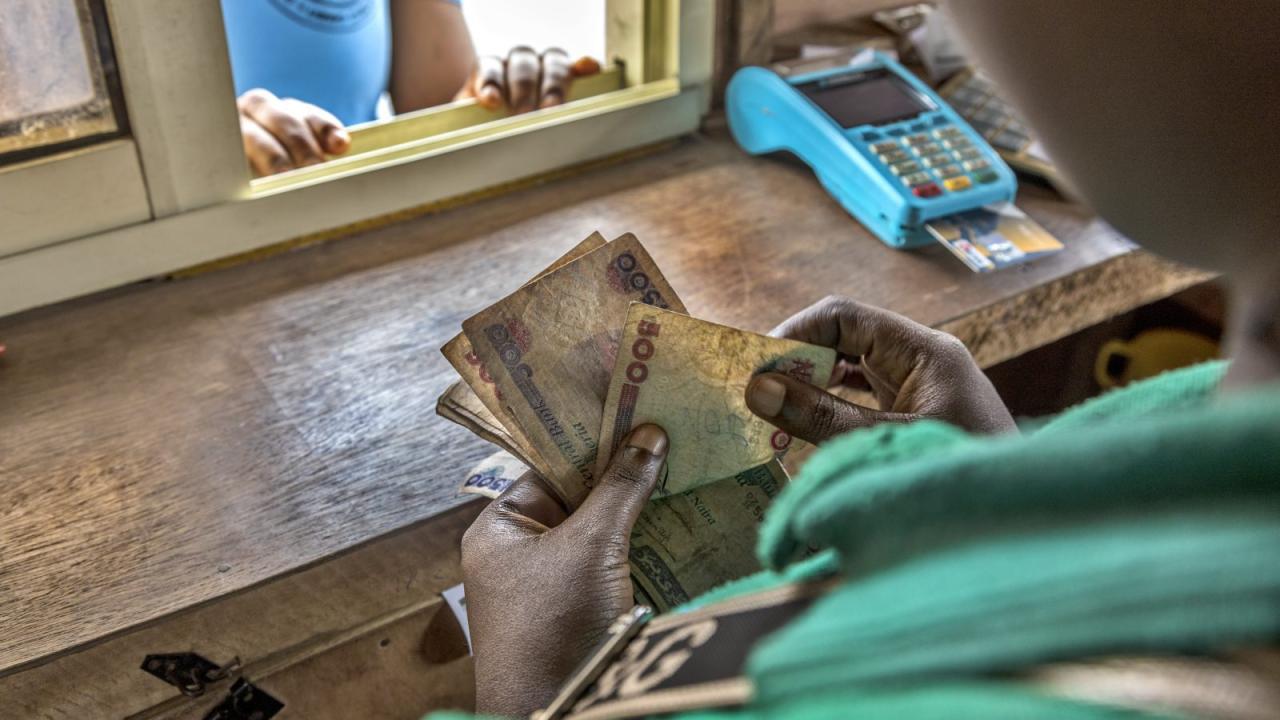
A. Persistent Digital Divides: Expansion remains uneven. Rural areas, where network coverage and agent liquidity can be sparse, and populations with lower digital literacy, particularly older adults, risk being left behind. The gender gap in mobile ownership and usage also persists in some regions.
B. Cybersecurity and Fraud Threats: As the value flowing through these platforms grows exponentially, they become prime targets for sophisticated phishing scams, SIM swap fraud, and agent-assisted fraud. Building robust, real-time security architectures and fostering user education is a constant, costly arms race.
C. Regulatory Fragmentation Across Borders: While national systems advance, cross-border interoperability remains a complex patchwork. Differing regulatory standards, anti-money laundering (AML) rules, and foreign exchange controls hinder the vision of a seamless Pan-African payment system, despite initiatives like the African Continental Free Trade Area (AfCFTA).
D. Market Consolidation and Competition Concerns: The industry is seeing consolidation, with large players like Airtel Money and MTN MoMo acquiring or outcompeting smaller providers. While this can drive efficiency, it also raises concerns about monopolistic practices, high fees, and stifled innovation, prompting regulators to focus on fostering healthy competition.
E. Balancing Profitability with Affordability: Operators must invest heavily in agent networks, technology, and compliance. The pressure to be profitable can lead to transaction fees that may deter low-volume users. Striking a balance between sustainability and truly inclusive pricing is an ongoing challenge.
E. The Future Horizon: Integration, Innovation, and Global Leadership
The next phase of Africa’s mobile money revolution points toward deeper integration and more advanced financial products.
A. Convergence with Traditional Banking (The Fintech-Bank Nexus): The lines are blurring. Mobile network operators are partnering with or acquiring banking licenses (e.g., MTN’s banking services in multiple countries), while traditional banks are embedding mobile money solutions into their offerings. This symbiotic relationship will create more holistic “fintech” hybrids.
B. Embedded Finance and the Super-App Model: The future lies in “invisible finance.” Mobile money will become an embedded feature within non-financial platforms—like paying for a delivery, financing a motorcycle, or leasing farm equipment—all within a single, super-app interface, similar to models seen in Asia.
C. Leveraging Advanced Technologies: Integration of blockchain for secure, low-cost cross-border settlements, use of AI and big data analytics for hyper-personalized credit scoring beyond traditional metrics, and the deployment of Internet of Things (IoT) for automated micropayments (e.g., for water or electricity usage) are on the horizon.
D. Driving the Formalization of African Economies: As more economic activity is digitized, governments gain better economic data, can implement more effective monetary policy, and can broaden their tax bases responsibly. This formalization is crucial for long-term infrastructure and social program investment.
E. Africa as a Global Exporteur of Financial Innovation: The African mobile money model is now being studied, adapted, and deployed in regions from Southeast Asia to Latin America. Africa has transitioned from a recipient of financial technology to a leading exporter of a proven, scalable model for financial inclusion.
Conclusion
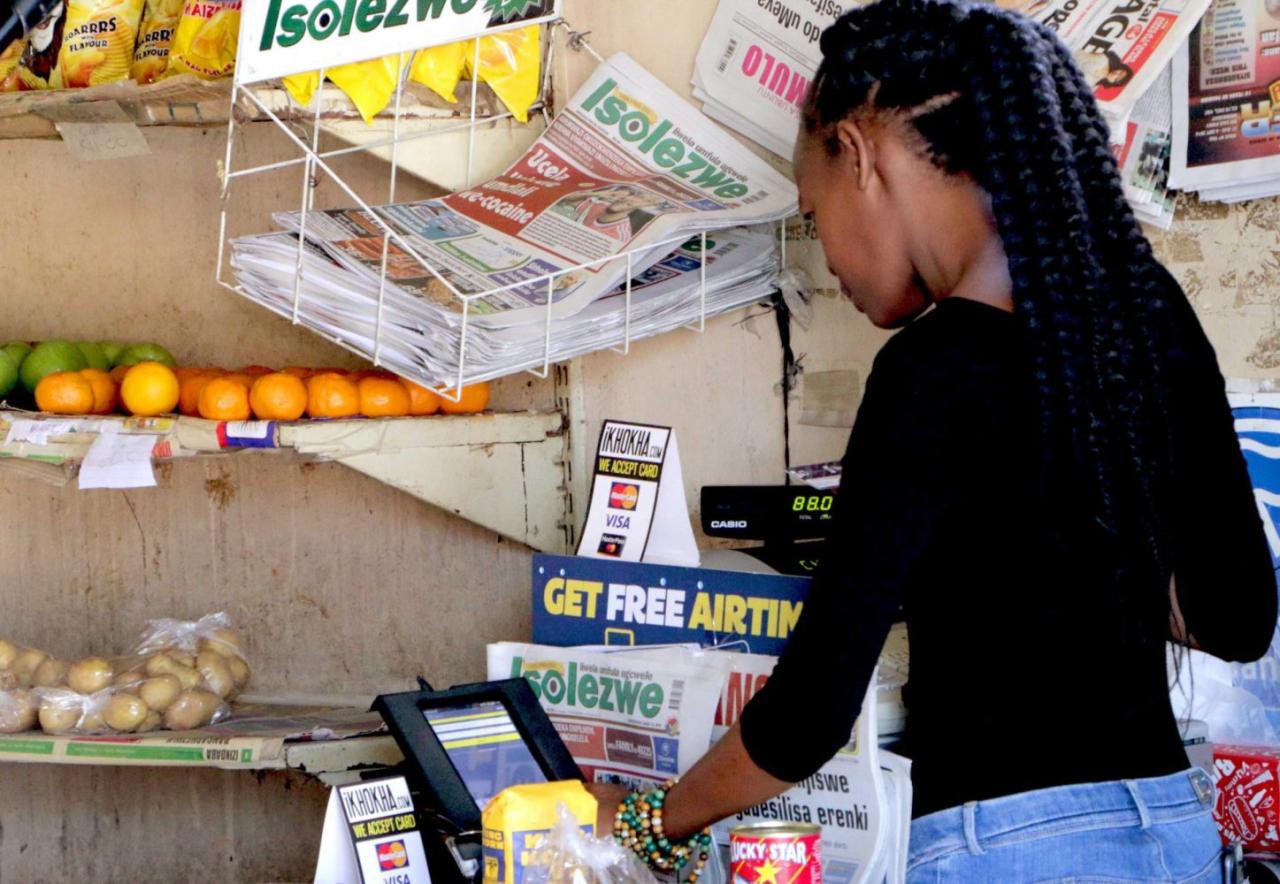
Africa’s mobile money revolution represents one of the most significant socio-technological shifts of the modern era. It is a powerful testament to how technological innovation, when aligned with local context and needs, can bypass legacy systems to generate profound, grassroots-led change. The expansion is no longer just about registering more users; it is about deepening the sophistication, security, and interconnectedness of the digital financial fabric. While challenges related to inclusion, security, and regulation persist, the trajectory is unmistakably toward a more financially empowered, efficient, and integrated continental economy. Africa’s journey with mobile money offers a compelling narrative: that the future of finance may not be built in Wall Street or Silicon Valley, but increasingly, on the mobile screens of a continent boldly forging its own digital destiny.