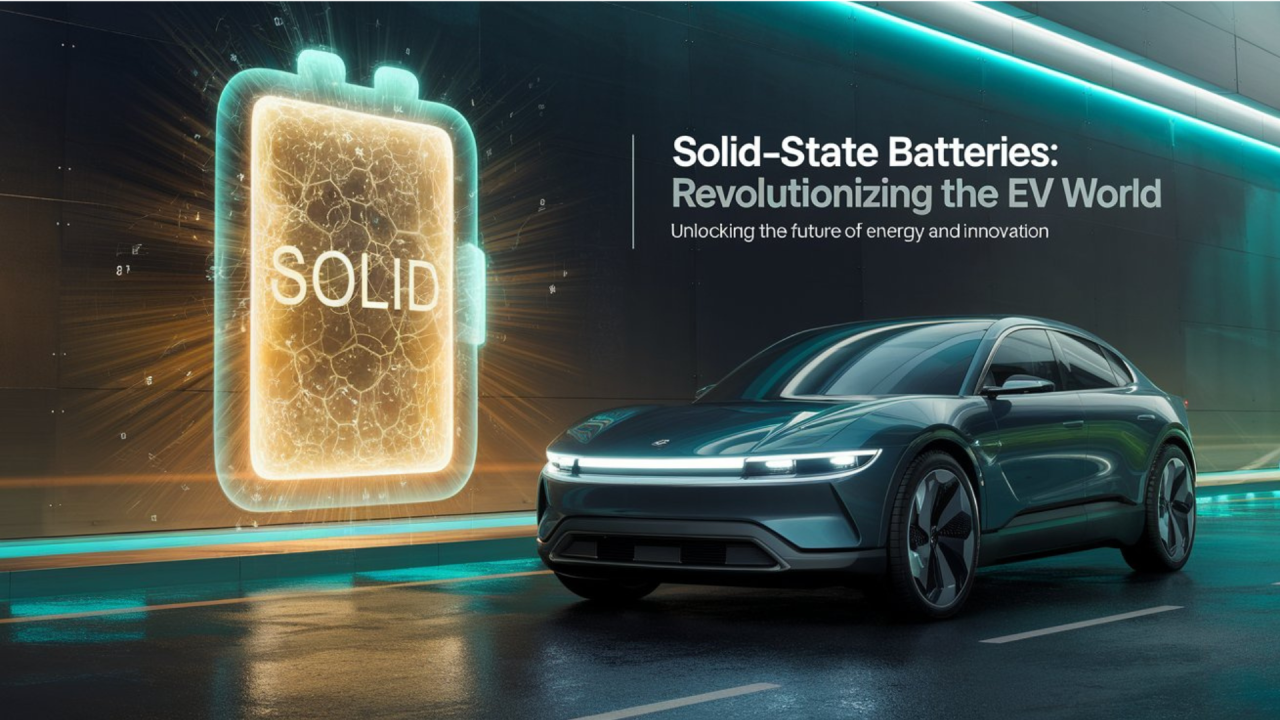
For decades, the electric vehicle (EV) revolution has been charging forward, propelled by a singular, critical component: the lithium-ion battery. While transformative, this technology carries inherent limitations range anxiety, charging times, energy density ceilings, and safety concerns. However, a new paradigm is emerging from laboratories and pilot production lines, promising to not just improve but utterly redefine the capabilities of EVs. This paradigm is the solid-state battery (SSB). More than a mere incremental upgrade, solid-state technology represents a fundamental shift in the architecture of energy storage, poised to unlock a new era of electric mobility characterized by unprecedented range, blistering charging speeds, enhanced safety, and longer-lasting vehicles. This deep dive explores the intricate science, monumental advantages, formidable challenges, and profound implications of solid-state batteries for the future of transportation and beyond.
A. Deconstructing the Solid-State Battery: A Fundamental Architectural Shift
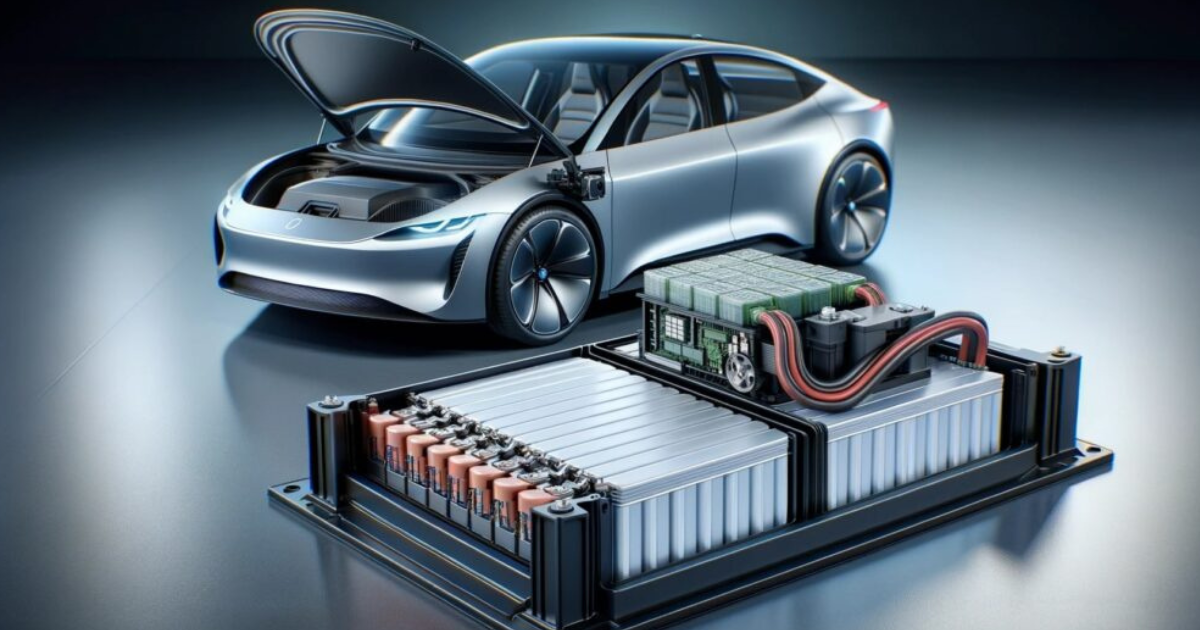
To appreciate the revolution, one must first understand the basic blueprint of current lithium-ion batteries. Conventional batteries rely on a liquid or gel-like electrolyte a conductive medium that allows lithium ions to shuttle back and forth between the cathode (positive electrode) and anode (negative electrode) during charging and discharging. This liquid electrolyte is highly effective but comes with baggage: it is flammable, can degrade over time, and limits the materials that can be used for the anode.
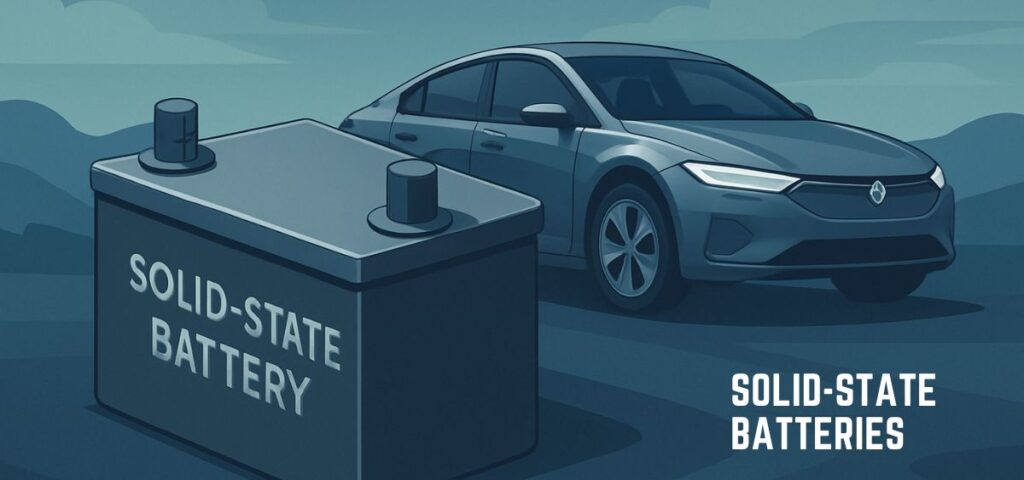
Solid-state batteries, as the name unequivocally states, replace this liquid electrolyte with a solid one. This solid electrolyte can be crafted from various advanced materials, including ceramics, polymers, or sulfides. This seemingly simple substitution solid for liquid catalyzes a cascade of engineering possibilities and performance enhancements. The solid electrolyte serves not only as a conductor for ions but also as a physical separator, enabling more compact, stable, and versatile cell designs. This foundational change disrupts the entire chemistry and physics of the battery cell, opening doors previously sealed shut by the limitations of liquid electrolytes.
B. The Multifaceted Advantages: Why Solid-State is a Game-Changer for EVs
The benefits of SSBs are not singular but synergistic, creating a compound effect that could resolve the most persistent pain points of modern EVs.
B.1. Superior Energy Density: The Quest for Extended Range
Energy density the amount of energy stored in a given volume or weight is the holy grail for EVs. Solid-state batteries boast a significantly higher potential energy density for two primary reasons. First, the solid electrolyte is thinner and more compact than the complex liquid electrolyte and separator system. Second, and more crucially, it enables the use of a pure lithium metal anode. Lithium metal has a far higher theoretical capacity than the graphite anodes used today. The result? Battery packs that are either much smaller and lighter for the same range or, more excitingly, packs that can store dramatically more energy in the same space. Projections suggest SSBs could eventually deliver energy densities 2 to 2.5 times greater than top-tier lithium-ion, translating to EVs with 800 to 1,000 miles of range on a single charge, effectively obliterating range anxiety.
B.2. Rapid Charging Capabilities: From Hours to Minutes
Long charging times remain a significant barrier to EV adoption. Solid-state batteries have the intrinsic ability to charge much faster. The solid electrolyte is more stable and less prone to the formation of lithium dendrites—metallic, tree-like growths that can cause short circuits at high charging currents. This stability allows engineers to push more current into the battery safely. While current fast-charging aims for 20-80% in 20-30 minutes, solid-state batteries could realistically achieve 80% charge in under 10 minutes, making the EV refueling experience comparable to filling a gas tank. This breakthrough hinges on the development of compatible high-power charging infrastructure.
B.3. Enhanced Safety Profile: Mitigating the Thermal Runaway Risk
Safety is paramount. The flammable liquid electrolyte in conventional batteries is a fuel source. If damaged or overheated, it can lead to thermal runaway a violent, self-perpetuating fire that is difficult to extinguish. Solid-state electrolytes, particularly ceramic ones, are non-flammable and much more thermally stable. They are also mechanically stronger, making the battery more resistant to penetration and damage in an accident. This inherent safety dramatically reduces the risk of fire, allowing for simpler and less expensive battery management and cooling systems, further saving weight and cost.
B.4. Extended Lifespan and Durability
The degradation of liquid electrolytes and the continuous formation of unstable interfaces (like the solid-electrolyte interphase or SEI) limit battery cycle life. Solid-state interfaces are more stable. With a solid electrolyte and a lithium metal anode, many of the parasitic side reactions that degrade battery performance over time are minimized. This points to SSBs potentially enduring thousands more charge cycles than today’s batteries, meaning an EV’s battery pack could last the entire lifetime of the vehicle with minimal capacity loss, enhancing both sustainability and total cost of ownership.
B.5. Operational Versatility Across Temperatures
EV performance, particularly charging, often suffers in extreme cold. Liquid electrolytes can freeze or become highly viscous, impeding ion movement. Many solid electrolytes maintain good ionic conductivity across a wider temperature range, from sub-zero cold to desert heat. This promises more reliable and consistent EV performance in diverse climates, a key factor for global adoption.
C. The Formidable Challenges on the Path to Commercialization
Despite the dazzling potential, the road to mass-produced, affordable solid-state EV batteries is fraught with technical and economic hurdles that the industry is racing to overcome.
C.1. Material Science and Interface Complexities
The core challenge lies in materials science. The ideal solid electrolyte must be a champion in multiple disciplines: high ionic conductivity (to match or beat liquids), excellent chemical stability, mechanical robustness, and seamless interfacial contact with the electrodes. Many ceramic electrolytes are brittle and can develop micro-cracks. The interface between the solid electrolyte and the lithium metal anode is particularly tricky; maintaining stable, low-resistance contact as the anode expands and contracts during cycling is a monumental engineering puzzle. Poor interfacial contact leads to high internal resistance and rapid failure.
C.2. Manufacturing Scalability and Cost
Today’s lithium-ion industry is a behemoth built on decades of refinement and economies of scale. Manufacturing solid-state batteries requires entirely new processes. Techniques like vapor deposition for ultra-thin solid layers are precise but slow and expensive. Scaling these processes to the gigawatt-hour levels required by the automotive industry while maintaining consistency, yield, and low cost is perhaps the single greatest challenge. The raw materials for some solid electrolytes (e.g., germanium, gallium) can also be expensive or scarce, though research is intensely focused on earth-abundant alternatives like sulfur.
C.3. The Dendrite Dilemma in a Solid Medium
While solid electrolytes are more resistant to dendrites, they are not impervious. Under certain conditions, lithium dendrites can still penetrate through microscopic defects or grain boundaries in the solid electrolyte, leading to short circuits. Ensuring absolute, dendrite-proof operation over thousands of cycles is critical for both safety and longevity, requiring perfect material uniformity and innovative cell design.
D. The Competitive Landscape: Key Players and Strategic Approaches
The race for solid-state supremacy is a global marathon involving automakers, battery giants, and ambitious startups, each with different strategic bets.
D.1. Automotive OEMs: Vertical Integration and Partnerships
Major car companies are investing billions to secure their future. Toyota is a notable leader, with over a thousand patents and plans for limited commercialization by 2027-2028, focusing on sulfide-based electrolytes. Volkswagen, Ford, BMW, and Hyundai have all made significant investments in startups like QuantumScape, Solid Power, and SolidEnergy Systems. These partnerships aim to co-develop technology tailored for their future vehicle platforms.
D.2. Dedicated Battery and Startup Innovators
QuantumScape (backed by VW and Bill Gates) is developing an anode-less, ceramic separator cell. Solid Power (partnered with Ford and BMW) is licensing its sulfide-based electrolyte technology. SES AI (formerly SolidEnergy Systems) is working on a hybrid approach combining solid and liquid electrolytes. In Asia, companies like CATL and LG Energy Solution are advancing their own semi-solid and solid-state roadmaps, aiming to bridge the gap with intermediate technologies.
D.3. The Interim Step: Semi-Solid-State Batteries
Recognizing the timeline for full solid-state, the industry is deploying transitional “semi-solid” or “solid-like” batteries. These, like the ones from CATL and NIO, incorporate a gel or a solid matrix soaked with some liquid electrolyte. They offer a portion of the benefits particularly in safety and energy density using more familiar manufacturing processes, acting as a crucial stepping stone.
E. The Broader Implications: Ripple Effects Beyond the Automobile
While the EV impact is the primary driver, the solid-state revolution will cascade into other sectors, amplifying its significance.
E.1. Consumer Electronics and Wearables
The higher energy density and safety would allow for thinner, lighter, longer-lasting smartphones, laptops, and wearables. Flexible solid electrolytes could even enable novel, bendable device designs.
E.2. Aerospace and Advanced Aviation
For electric vertical take-off and landing (eVTOL) aircraft and drones, weight is everything. The high specific energy of SSBs is essential for making electric aviation commercially viable for passenger transport.
E.3. Grid Storage and Renewable Integration
The safety profile and long lifespan make SSBs an attractive, low-maintenance option for stationary energy storage, helping to stabilize grids powered by intermittent solar and wind energy.
E.4. Sustainability and Circular Economy
Longer-lasting batteries mean fewer units needing replacement, reducing resource extraction and waste. The use of less reactive and more abundant materials (like sulfur) could also lessen environmental impact, though end-of-life recycling streams for these new chemistries must be developed in parallel.
Conclusion: A Transformative Horizon Within Sight
The solid-state battery is not a question of if, but when and how. It represents the most credible path to an electric future that is superior to the internal combustion engine in every dimension: convenience, performance, safety, and cost. The journey from lab breakthrough to a mass-produced, reliable, and affordable product in millions of vehicles is arduous, requiring unprecedented collaboration between material scientists, chemical engineers, and manufacturing experts. The next five to ten years will be a critical period of pilot production, scaling, and real-world validation. While hurdles remain, the collective force of capital, innovation, and market demand is immense. As these barriers are methodically dismantled, solid-state batteries will cease to be a revolutionary promise and become the foundational technology, quietly and powerfully energizing a cleaner, more efficient, and electrified world. The true revolution lies not just in moving electrons differently, but in moving humanity forward.