The rapid advancement of technology has transformed virtually every aspect of human existence. From how we communicate to how we work, learn, and entertain ourselves, the digital revolution has reshaped our world. Yet, despite the overwhelming dominance of modern computing, there remains a certain nostalgic charm and practical value in old technology. This article delves deep into the fascinating contrast between modern computing systems and legacy technologies, exploring their features, benefits, limitations, and the reasons why some people still cling to the past. Understanding this evolution is not merely an academic exercise; it is essential for appreciating how far we have come and where we are headed in the future.
The Definition of Modern Computing
Modern computing refers to the current generation of digital systems, software, and hardware that leverage cutting-edge technologies such as artificial intelligence, cloud computing, quantum computing, and the Internet of Things. These systems are characterized by incredible processing power, massive storage capacities, high-speed connectivity, and intuitive user interfaces. Modern devices like smartphones, tablets, laptops, and smart home gadgets have become indispensable tools in daily life. They operate on advanced operating systems such as Windows 11, macOS Ventura, Android 13, and iOS 16, all of which are designed to provide seamless user experiences. Additionally, modern computing emphasizes mobility, energy efficiency, and real-time data processing, enabling users to perform complex tasks from virtually anywhere in the world.
Understanding Old Technology
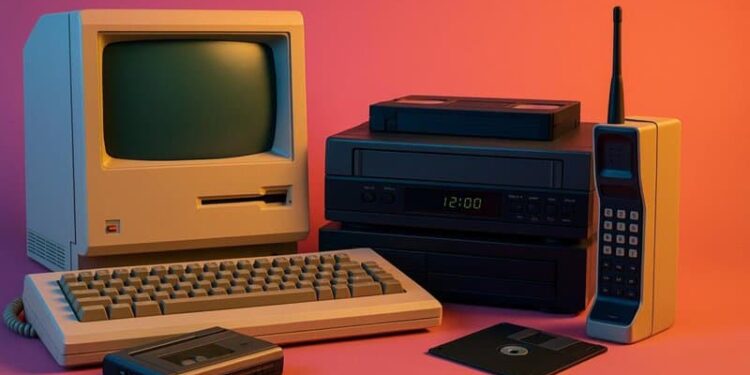
Old technology, often referred to as legacy technology, encompasses the computing systems, devices, and software that were prevalent before the digital explosion of the 21st century. This includes mainframe computers, bulky desktop PCs, floppy disks, cassette tapes, CRT monitors, dial-up modems, and early operating systems like MS-DOS, Windows 95, and Mac OS 9. These technologies were revolutionary in their time but are now considered obsolete by today’s standards. However, they laid the foundation for the modern computing landscape. Old technology was often mechanical, less efficient, and required significant physical space and maintenance. Yet, it was built with durability and repairability in mind, traits that are increasingly rare in today’s disposable electronics culture.
Key Differences Between Modern Computing and Old Technology
To fully appreciate the evolution, it is crucial to examine the specific differences that distinguish modern computing from old technology. These differences span hardware, software, connectivity, user experience, and overall functionality.
A. Processing Power and Speed
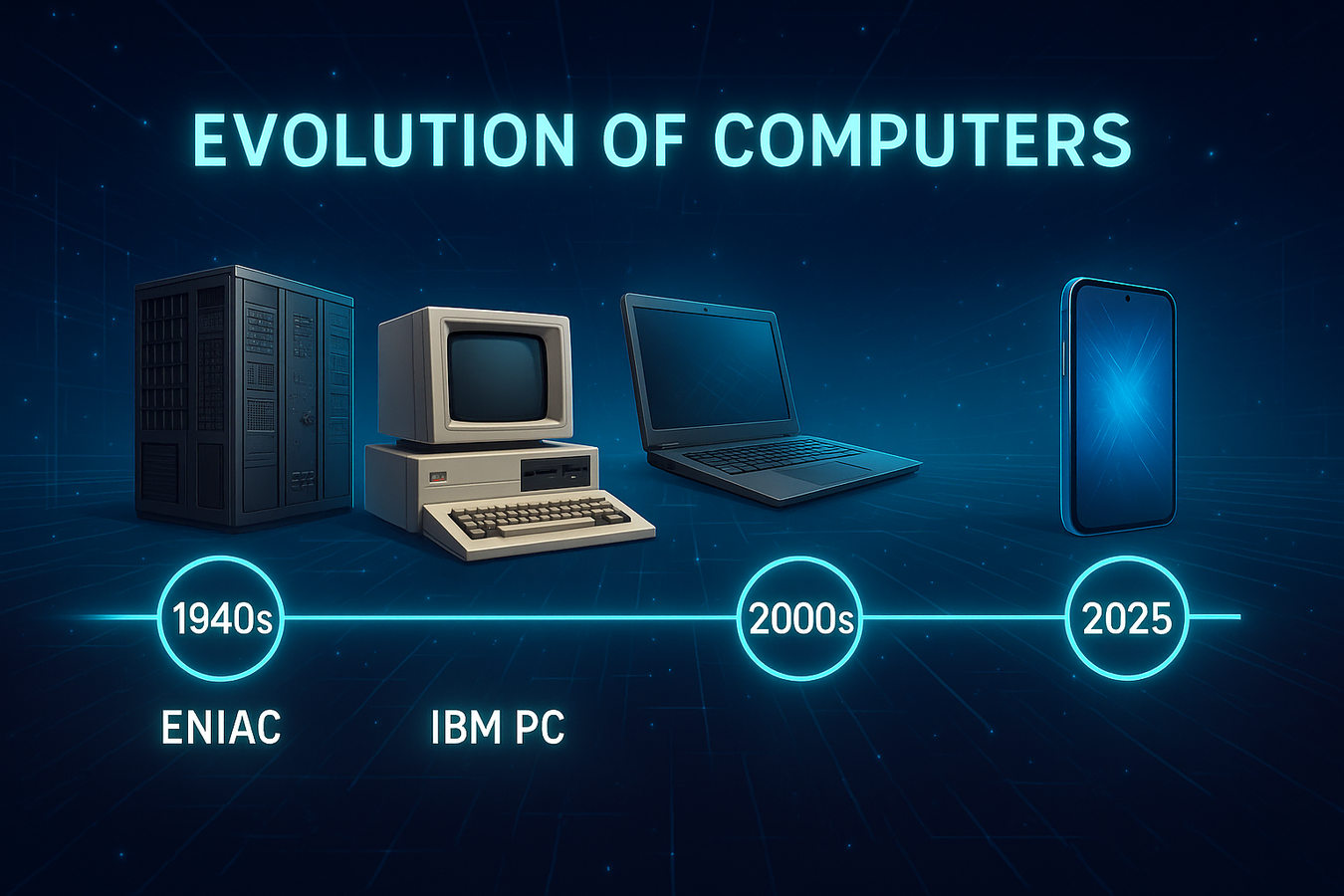
Modern computers are equipped with multi-core processors operating at gigahertz speeds, capable of performing billions of calculations per second. For instance, the latest Intel Core i9 or Apple M2 chips can handle intensive tasks like 4K video editing, 3D rendering, and machine learning with ease. In contrast, old computers like the IBM 5150, released in 1981, had an Intel 8088 processor running at a mere 4.77 MHz, with RAM measured in kilobytes rather than gigabytes. This enormous gap in processing power means that modern systems can execute complex operations in milliseconds, tasks that would have taken hours or even days on older machines.
B. Storage Capacity and Media
Storage is another area where modern computing excels. Today, solid-state drives (SSDs) and hard disk drives (HDDs) offer terabytes of storage space, allowing users to store thousands of movies, millions of photos, and entire libraries of software. Cloud storage further expands this capacity, offering virtually unlimited space accessible from any device. Old technology relied on floppy disks with a maximum capacity of 1.44 MB, magnetic tapes, and early hard drives that stored only a few megabytes. This limitation meant that users had to be extremely selective about what they saved, often resorting to multiple disks or tapes to store a single project.

C. Connectivity and Networking
Modern computing thrives on high-speed internet connectivity, with fiber optics, 5G, and Wi-Fi 6 providing blazing-fast data transfer rates. These technologies enable seamless streaming, online gaming, remote work, and global collaboration. Old technology, by contrast, was largely offline or reliant on dial-up connections with speeds of 56 kbps, which were notoriously slow and unstable. Connecting to the internet meant tying up the phone line and enduring screeching handshake sounds. Networking was limited to local area networks (LANs) using Ethernet cables, and wireless connectivity was virtually nonexistent.
D. User Interface and Experience
The user interface (UI) of modern computing is intuitive, visually appealing, and highly customizable. Touchscreens, voice commands, and gesture controls have made interaction more natural and accessible. Old technology utilized command-line interfaces (CLI) like MS-DOS, where users had to type precise commands to execute tasks. Graphical user interfaces (GUI) existed but were primitive, featuring low-resolution graphics and limited color palettes. The learning curve was steep, and mistakes often resulted in system crashes or data loss. Modern systems are designed with user experience (UX) in mind, incorporating accessibility features for people with disabilities, multilingual support, and personalized recommendations.
E. Software and Applications
Modern computing benefits from a vast ecosystem of software applications, many of which are cloud-based and updated automatically. From productivity suites like Microsoft 365 to creative tools like Adobe Creative Cloud, users have access to powerful applications that were unimaginable decades ago. Old technology had limited software options, often distributed on physical media like floppy disks or CD-ROMs. Updates were infrequent and required purchasing new versions. Moreover, compatibility issues were rampant, making it difficult to share files across different systems.
F. Energy Efficiency and Environmental Impact
Energy efficiency is a hallmark of modern computing. Devices are designed to consume less power while delivering superior performance, thanks to advancements in semiconductor technology. Many modern devices also incorporate eco-friendly materials and are built with recyclability in mind. Old technology was notoriously power-hungry, generating excessive heat and requiring elaborate cooling systems. CRT monitors, for example, consumed significantly more electricity than today’s LED displays. The environmental footprint of legacy technology is substantial, with hazardous materials like lead and mercury posing disposal challenges.
G. Portability and Form Factor
Portability is one of the most significant advantages of modern computing. Smartphones, tablets, and ultrabooks are lightweight, slim, and easily carried in a pocket or bag. This mobility allows users to stay connected and productive on the go. Old technology was bulky and stationary. The first personal computers weighed upwards of 20 pounds, and monitors were heavy cathode-ray tubes that occupied entire desks. Portable computers like the Osborne 1 were considered revolutionary but still weighed over 20 pounds and had tiny screens.
H. Security and Privacy
Security in modern computing is a multi-layered approach involving encryption, biometric authentication, firewalls, and regular security patches. Operating systems and applications are constantly updated to address vulnerabilities. Old technology had minimal security measures, with passwords often being the only line of defense. Data was stored locally and vulnerable to physical theft or damage. Malware and viruses were less sophisticated but could still cause significant damage, and antivirus software was rudimentary at best.
I. Cost and Accessibility
Modern computing has become increasingly affordable and accessible, with budget-friendly smartphones and laptops available for under $200. Additionally, many services are offered for free or at low subscription costs, making technology accessible to a broader demographic. Old technology was expensive and considered a luxury. The first IBM PC cost around $1,565 in 1981, equivalent to over $4,500 today, adjusted for inflation. This high cost limited computer ownership to businesses, educational institutions, and affluent individuals.
J. Maintenance and Lifespan
Old technology was built to last, with repairable components and interchangeable parts. Users could easily replace a faulty hard drive, upgrade RAM, or repair a monitor. Modern devices, however, are often designed with planned obsolescence, meaning they are intended to be replaced rather than repaired. Soldered components, proprietary parts, and glued screens make repairs difficult and costly. Consequently, the average lifespan of modern devices is shorter, contributing to electronic waste problems.
The Persistent Appeal of Old Technology
Despite the undeniable superiority of modern computing in almost every metric, old technology continues to hold a special place in many people’s hearts and lives. There are several reasons for this enduring appeal.
Nostalgia and Sentimental Value
For many, old technology evokes cherished memories of simpler times. The sound of a dial-up modem connecting, the click of a mechanical keyboard, or the whir of a floppy disk drive can trigger powerful feelings of nostalgia. Collectors and enthusiasts preserve these artifacts as a way to connect with the past and share their experiences with younger generations. Retro gaming, in particular, has a massive following, with vintage consoles and arcade machines commanding high prices in the collector’s market.
Simplicity and Reliability
Old technology is often praised for its simplicity and reliability. Early computers and software had fewer features, but they did what they were designed to do without unnecessary complexity. There were no constant updates, no intrusive ads, and no data collection practices. Users felt more in control of their devices, and troubleshooting was often straightforward. This simplicity is appealing in an age where technology can feel overwhelming and intrusive.
Educational Value
Old technology serves as an invaluable educational tool. Understanding how early computers worked provides insights into the fundamental principles of computing, such as binary logic, data storage, and programming. Many computer science curricula include sections on the history of computing to give students a solid foundation. Hobbyists who build and restore vintage computers gain practical skills in electronics, soldering, and software configuration.
Cost-Effectiveness
In certain contexts, old technology can be more cost-effective than modern alternatives. For simple tasks like word processing, spreadsheet management, or basic data entry, an older computer may suffice. Many businesses and organizations in developing countries rely on refurbished legacy hardware because it is affordable and meets their needs. Similarly, vintage audio equipment, cameras, and musical instruments are prized for their unique sound and craftsmanship, often outperforming modern digital counterparts.
Resilience Against Cyber Threats
Old technology is generally less vulnerable to modern cyber threats because it lacks the connectivity and complexity that attackers exploit. Many legacy systems operate offline or on isolated networks, making them immune to ransomware, phishing, and other online attacks. This makes them ideal for critical infrastructure systems like power grids, water treatment plants, and military installations, where security and stability are paramount.
The Transition Phase: Bridging Old and New
The transition from old technology to modern computing was not instantaneous but evolved through several intermediate phases. Hybrid systems that combined legacy components with modern innovations emerged to ease the transition. For example, early personal computers like the Apple II and Commodore 64 offered expandability and compatibility with both old and new peripherals. Similarly, the introduction of graphical user interfaces (GUIs) built on top of command-line operating systems allowed users to gradually adapt. Today, virtualization and emulation technologies enable modern computers to run old software and simulate vintage hardware, preserving backward compatibility and ensuring that legacy data remains accessible.

The Role of Old Technology in Modern Industries
Surprisingly, old technology continues to play a vital role in certain industries, often out of necessity or preference.
A. Healthcare and Medical Devices
Many medical devices, such as MRI machines, CT scanners, and laboratory equipment, rely on legacy operating systems and hardware due to the high cost of replacement and rigorous regulatory approval processes. These devices often require stable, proven platforms that have been validated over years of use. Upgrading to modern systems would involve extensive retesting and recertification, which is both time-consuming and expensive.
B. Aviation and Aerospace
The aviation industry depends on legacy systems for flight control, navigation, and communication. The Boeing 747, for example, uses older technology that has been thoroughly tested and trusted for decades. Modernizing these systems would require massive investments in training, infrastructure, and software development, not to mention the risk of introducing new vulnerabilities. Thus, old technology remains integral to ensuring flight safety.
C. Banking and Finance
Many financial institutions still rely on COBOL-based mainframe systems that were developed in the 1960s and 1970s. These systems are incredibly stable, secure, and capable of handling massive transaction volumes. Attempts to replace them have often failed due to the complexity of migration and the fear of disrupting critical operations. As a result, banks continue to invest in maintaining and enhancing these legacy systems alongside modern front-end applications.
D. Manufacturing and Industrial Automation
Factories and industrial plants use programmable logic controllers (PLCs) and other legacy automation systems to manage production lines. These systems are robust, reliable, and designed to operate in harsh environments. Replacing them with modern counterparts would involve significant downtime, retraining, and potential production losses. Additionally, many legacy systems are proprietary, making it difficult to find compatible modern alternatives.
The Environmental Impact of Technology Obsolescence
One of the most pressing concerns in the modern computing era is the environmental impact of rapid technological obsolescence. Electronic waste (e-waste) is growing exponentially, with millions of tons of discarded devices ending up in landfills each year. These devices contain hazardous materials that can leach into soil and water, posing risks to human health and the environment. In contrast, old technology was often reused, repaired, or repurposed, extending its lifespan and reducing waste. The modern consumer culture of upgrading to the latest model exacerbates the problem, although efforts are being made to promote recycling, refurbishment, and sustainable design.
Future Trends: What Lies Ahead
The future of computing promises even more revolutionary changes, potentially rendering both modern and old technologies obsolete in ways we cannot fully imagine. Quantum computing, which leverages the principles of quantum mechanics, could solve problems that are currently intractable. Neuromorphic computing mimics the human brain’s neural structure, offering unprecedented efficiency in artificial intelligence applications. Moreover, advancements in nanotechnology and biotechnology may lead to computing systems that are embedded in everyday objects, clothing, and even the human body. While these developments are exciting, they also raise ethical, social, and environmental questions that must be addressed thoughtfully.
Preserving the Legacy: The Importance of Technological Heritage
As we march forward into an increasingly digital future, it is essential to preserve the technological heritage that paved the way. Museums, archives, and private collectors play a crucial role in safeguarding vintage computers, software, and documentation for future generations. Digital preservation efforts aim to emulate and archive old software so that it remains accessible long after the original hardware has degraded. By studying old technology, we gain a deeper appreciation for the ingenuity and perseverance of early inventors, engineers, and programmers. Their work not only transformed society but also laid the groundwork for the innovations we enjoy today.
Practical Recommendations for Users
For individuals and organizations navigating the landscape of modern computing and old technology, here are some practical recommendations.
A. Assess Your Needs
Before investing in new technology, carefully assess your actual requirements. If you primarily use a computer for web browsing, email, and document editing, a modest modern device may suffice. Conversely, if you work with resource-intensive applications like video editing or 3D modeling, a high-performance system is essential. Similarly, consider whether legacy technology meets your needs in a specific context, such as retro gaming or vintage computing.
B. Embrace Hybrid Solutions
Hybrid solutions that combine modern and old technologies can offer the best of both worlds. For instance, you can use modern smartphones for communication and media consumption while maintaining a vintage computer for nostalgic purposes or specific legacy tasks. Virtualization software allows you to run old operating systems on modern hardware, preserving compatibility without sacrificing performance.
C. Prioritize Security
Regardless of the technology you use, prioritize security. For modern devices, keep operating systems and software updated, use strong passwords, enable two-factor authentication, and be cautious about suspicious emails or links. For legacy systems that are connected to the internet, isolate them from critical networks and monitor them regularly for unusual activity.
D. Consider Sustainability
Make environmentally conscious decisions by choosing energy-efficient devices, supporting manufacturers with sustainable practices, and participating in recycling programs. When upgrading, consider donating or selling your old devices rather than discarding them. Refurbished devices are also a viable option, offering cost savings and reducing e-waste.
E. Invest in Education
Take advantage of educational resources to improve your understanding of both modern and old technologies. Online courses, tutorials, forums, and books are abundant and cater to all levels of expertise. For vintage technology enthusiasts, joining clubs and attending events can provide valuable networking opportunities and hands-on learning experiences.
Conclusion: Embracing the Best of Both Worlds
The debate between modern computing and old technology is not about choosing sides but understanding the value each brings to the table. Modern computing offers unparalleled power, connectivity, and convenience, transforming how we live, work, and interact with the world. Old technology, on the other hand, provides a sense of nostalgia, simplicity, and resilience that is increasingly rare in today’s fast-paced digital environment. By appreciating both, we can make informed decisions that balance innovation with tradition, efficiency with reliability, and progress with preservation.
As we continue to push the boundaries of what is possible, let us not forget the lessons and legacies of the past. The pioneers of computing were visionaries who dreamed of a connected, automated, and intelligent world. Their contributions, though humble by today’s standards, were the seeds from which modern computing grew. Whether you are a tech enthusiast, a casual user, or a professional in the field, take a moment to reflect on this remarkable journey and the incredible possibilities that lie ahead. The future is bright, but it is built on a foundation of history, hard work, and human ingenuity.
In summary, modern computing and old technology are not adversaries but partners in the grand narrative of human progress. Each has its strengths and weaknesses, and each has a role to play in our lives. By embracing the best of both worlds, we can navigate the complexities of the digital age with wisdom, gratitude, and a forward-looking spirit. After all, technology is not just about gadgets and algorithms; it is about people, stories, and the endless quest for a better tomorrow.