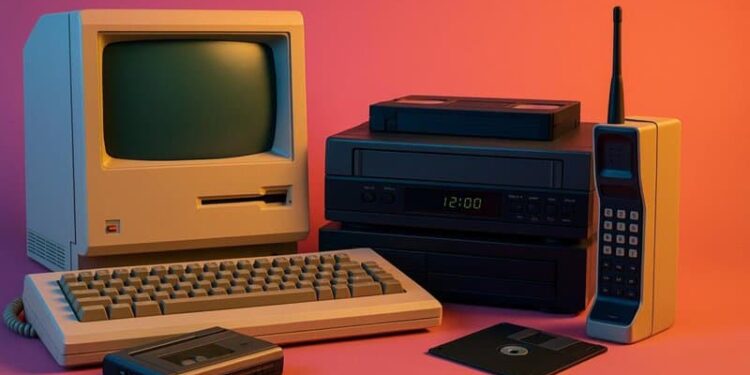
In an era defined by artificial intelligence, cloud computing, and hyper-connected smart devices, an unexpected cultural movement is gaining momentum. Generation Z, the demographic cohort born between the mid-1990s and early 2010s, is increasingly turning its back on the sleekest, fastest, and most advanced gadgets available. Instead, they are embracing retro technology with a fervor that surprises even seasoned tech analysts. From vinyl records and film cameras to mechanical keyboards and vintage gaming consoles, the analog revival is not merely a fleeting trend but a profound shift in how young people interact with the digital world. This article explores the multifaceted reasons behind this phenomenon, its implications for the consumer electronics industry, and the enduring appeal of tactile, slower, and more intentional technologies.
The Rise of Analog Appreciation
The resurgence of retro technology among Gen Z is a fascinating counterpoint to the relentless march of digital progress. While millennials grew up during the transition from analog to digital, and Generation X witnessed the birth of the personal computer, Gen Z is the first generation to be born into a fully digital ecosystem. For them, smartphones, social media, and streaming services are not innovations but basic utilities—as ordinary as running water or electricity. This ubiquity has created a paradox: the more seamless and invisible technology becomes, the more some young people crave physicality, imperfection, and deliberate effort.
Vinyl Records and Physical Music
One of the most visible symbols of this retro revival is the vinyl record. Despite the convenience of streaming platforms like Spotify and Apple Music, vinyl sales have experienced a remarkable renaissance. In the United States alone, vinyl record sales have grown consistently for over a decade, with Gen Z accounting for a significant portion of new buyers. For these digital natives, vinyl offers something that compressed audio files cannot: a tangible, ritualistic experience. The act of carefully placing a needle on a record, listening to the subtle crackle, and engaging with large-format album artwork transforms music consumption from a passive background activity into an intentional ceremony.
Moreover, vinyl represents a rebellion against algorithmic curation. Young listeners are tired of being fed personalized playlists that reinforce their existing tastes. Vinyl forces them to listen to an album from start to finish, in the sequence the artist intended, without the option to skip or shuffle. This encourages deeper musical appreciation and a more active listening posture.
Film Photography and Instant Cameras
Similarly, film photography has found a new lease on life among Gen Z. While smartphone cameras have become incredibly sophisticated, offering computational photography, portrait modes, and real-time editing, many young photographers are rediscovering the charm of analog imaging. Brands like Fujifilm have capitalized on this trend with their Instax instant cameras, which produce physical prints within seconds. But beyond instant gratification, there is a growing interest in 35mm film, medium format, and even darkroom development.
The appeal lies in the constraints. With film, every shot counts there is no delete button, no infinite storage, and no immediate preview. This forces photographers to slow down, think about composition, lighting, and exposure, and embrace the unpredictability of chemical processing. The resulting images often have a distinct aesthetic—grainy, warm, and slightly imperfect that contrasts sharply with the hyper-sharp, HDR-enhanced look of digital photos. For Gen Z, film photography is not about nostalgia for a past they never experienced but about reclaiming agency and creativity in an age of automated perfection.

Mechanical Keyboards and Tactile Computing
Another surprising area of retro adoption is in computing peripherals. Mechanical keyboards, once considered obsolete relics of the 1980s, are now cult favorites among Gen Z gamers, programmers, and writers. These keyboards feature physical switches under each key, providing audible clicks and tactile feedback that membrane-based laptops simply cannot replicate. Customization is a huge part of the culture: enthusiasts swap out keycaps, choose different switch types (Cherry MX, Gateron, Kailh), and even solder their own boards.
The trend extends beyond keyboards to include retro mice, trackballs, and even CRT monitors for competitive gaming. Some esports players argue that high-refresh-rate CRT displays offer lower input lag than modern LCD panels. But for most, the motivation is not performance but pleasure—the sensory satisfaction of hearing and feeling each keystroke, which makes the act of typing feel more deliberate and engaging.
Vintage Gaming and Emulation
The retro gaming scene is also booming among Gen Z. While they have access to cloud gaming services and next-generation consoles like the PlayStation 5 and Xbox Series X, many prefer to play classic games from the NES, Sega Genesis, Game Boy, and PlayStation 1 eras. This is partly driven by nostalgia for childhood memories, but also by a genuine appreciation for game design that prioritized gameplay over graphics. Pixel art, chiptune soundtracks, and simple but challenging mechanics offer a refreshing contrast to modern open-world games filled with microtransactions and photorealistic graphics.
Some young gamers collect original hardware and cartridges, while others use emulators or buy mini retro consoles from companies like Nintendo and Sega. The rise of retro gaming conventions, online forums, and YouTube channels dedicated to “retro gaming” demonstrates that this is not a niche hobby but a mainstream movement. Interestingly, many Gen Z gamers are also creating their own homebrew games for older systems, ensuring that retro platforms remain culturally relevant.
Why Gen Z Favors Retro Tech
Understanding why Gen Z embraces retro technology requires looking beyond mere aesthetics. There are several psychological, social, and economic factors at play.
A. Digital Fatigue and Screen Burnout
Gen Z spends more time online than any previous generation. Between school, work, social media, and entertainment, screen time often exceeds eight hours per day. This constant connectivity has led to widespread digital fatigue a sense of exhaustion from notifications, algorithm-driven content, and the pressure to maintain an online persona. Retro technology offers a reprieve. A vinyl record does not ping with notifications. A film camera does not require an internet connection. A mechanical keyboard does not track your typing habits for advertising purposes. These devices are “dumb” in the best sense: they do one thing and do it well, without demanding continuous attention.
B. The Desire for Authenticity and Craftsmanship
In an age of mass production and planned obsolescence, Gen Z values authenticity and durability. Retro devices were often built to last think of the indestructible Nokia 3310 or the all-metal construction of vintage typewriters. Many young consumers are disillusioned with the fragility of modern electronics, which are designed to be replaced every two years. By contrast, a well-maintained film camera from the 1970s can still produce stunning images today. This appreciation for craftsmanship extends to the repair culture—many Gen Z enthusiasts learn to fix their retro gear rather than discard it, aligning with broader sustainability values.
C. Reclaiming Privacy and Autonomy
Retro technology is inherently more private. A record player does not collect data. A Polaroid camera does not upload images to the cloud. A standalone GPS unit does not track your location history. For a generation that has grown up under constant surveillance both corporate and governmental using analog devices is a quiet act of resistance. It allows them to enjoy experiences without leaving a digital footprint. This is particularly appealing for activities like reading, journaling, or listening to music, where uninterrupted focus is paramount.
D. Nostalgia for a Pre-Internet Era
Although Gen Z did not experience the 1980s or 1990s firsthand, they have inherited a cultural nostalgia for these decades through media, fashion, and family stories. Retro technology serves as a tangible connection to a romanticized past—a time when life seemed simpler, slower, and more communal. This is not a naïve longing but a deliberate choice to incorporate elements of that era into their own identity. In many ways, retro tech is a form of cosplay for everyday life, allowing Gen Z to perform a version of themselves that is offline, independent, and unplugged.
E. Social Distinction and Subcultural Identity
Like any generation, Gen Z uses consumer choices to signal identity and status. In a world where everyone has a smartphone, owning a vintage Rolleiflex camera or a 1984 Apple Macintosh instantly sets you apart. Retro tech enthusiasts form vibrant communities both online and offline—sharing tips, trading equipment, and organizing meetups. This subcultural capital is highly valued, and the rarity or authenticity of a device can confer prestige. It is a way of saying, “I am not a passive consumer of the digital mainstream; I am a curator of meaningful artifacts.”
The Economic and Industrial Impact
The retro tech trend has not gone unnoticed by manufacturers and retailers. Major corporations are either reissuing classic products or releasing modernized versions that mimic retro aesthetics.
A. Reissue and Remake Culture
Nintendo’s release of the NES Classic and SNES Classic mini consoles was a runaway success, proving that there is strong demand for retro hardware. Similarly, Polaroid has revived its instant camera line, and Sony has brought back the cassette-based Walkman in a digital version. Even audio companies like Audio-Technica and Crosley have seen a surge in demand for turntables. These products are not merely nostalgic novelties; they are profitable business lines that attract both older consumers and younger newcomers.
B. Hybrid Devices
Some brands are blending old and new to cater to this market. For example, there are turntables with USB ports for digitizing vinyl, typewriters with Bluetooth connectivity, and smartwatches that mimic analog watch faces. These hybrid devices allow users to enjoy the retro experience while retaining some modern convenience. However, purists often reject these compromises, preferring original vintage equipment over reissues or hybrids.
C. Secondary Market Boom
The secondary market for used retro tech has exploded. Platforms like eBay, Etsy, and specialized forums are bustling with transactions for vintage cameras, audio gear, game consoles, and computers. Prices for rare items have skyrocketed—a sealed copy of Super Mario Bros. for NES sold for over $100,000, and classic Leica cameras command five-figure sums. This has also created a thriving ecosystem of repair specialists, accessory makers, and content creators who sustain the retro tech economy.
Challenges and Criticisms
Despite its appeal, the retro tech movement is not without its critics and practical challenges.
A. Accessibility and Cost
Genuine vintage equipment can be expensive, especially for rare or highly sought-after models. Many Gen Z consumers are students or early-career workers with limited disposable income. This creates a barrier to entry and can lead to elitism within the community. To counter this, some enthusiasts turn to budget-friendly alternatives like toy cameras, entry-level turntables, or DIY kits. However, the cost of film, development, and maintenance can add up, making retro tech a privilege rather than a universal trend.
B. Environmental Concerns
While retro tech is often more durable, the production of new vinyl records, film rolls, and electronic components still has an environmental footprint. Moreover, shipping vintage items across the globe consumes resources. Some critics argue that the carbon cost of analog revival is not negligible. However, others counter that the longevity of retro devices offsets the environmental impact of disposable modern electronics. The debate is complex and context-dependent.
C. Romanticizing the Past
There is a risk that Gen Z romanticizes a past they never experienced, overlooking the inconveniences and limitations of analog life. Film cameras require expensive processing; vinyl records skip and wear out; vintage computers crash and lack internet connectivity. Some older generations find the trend amusing or even patronizing, viewing it as a superficial attempt to appropriate a history that is not theirs. Yet, this critique overlooks the agency of young consumers who are making informed choices, not naive fantasies.
The Future of Retro Technology
Looking ahead, the retro tech trend is unlikely to disappear. Instead, it will evolve and integrate with emerging technologies in unexpected ways.
A. Augmented Reality and Retro Fusion
Augmented reality (AR) could bridge the gap between analog and digital. Imagine pointing your smartphone at a vinyl record and seeing album trivia, lyrics, or artist interviews overlay on the screen. Or using AR to visualize how a vintage camera would compose a shot before pressing the shutter. Such hybrid experiences could make retro tech more interactive without sacrificing its core appeal.

B. Sustainable Design Inspiration
The durability and repairability of retro devices are inspiring modern designers to adopt more sustainable practices. Right-to-repair legislation, modular smartphones, and eco-friendly materials are gaining traction, partly influenced by the values embodied by retro tech. In this sense, the retro trend is not just about looking backward but about reshaping the future of product design.
C. Continued Subcultural Growth
As more young people discover the joys of analog technology, subcultures will continue to diversify. We may see retro tech integrated into fashion, interior design, and even education. Already, some schools are using manual typewriters to teach typing without distraction, and therapists are recommending vinyl listening for mindfulness. The possibilities are vast and limited only by imagination.
Conclusion
Gen Z’s embrace of retro technology is a multifaceted phenomenon that defies simple explanations. It is at once a reaction against digital saturation, a quest for authenticity, a gesture of privacy, a subcultural identifier, and a creative playground. While it may seem counterintuitive for the most digitally native generation to gravitate toward obsolete gadgets, it actually makes perfect sense. In a world of infinite choice and endless connectivity, choosing limitation and intentionality is a powerful act of self-definition.
Retro technology offers Gen Z something that modern devices cannot: a sense of presence. Whether it is the warmth of vinyl, the suspense of waiting for film to develop, or the satisfying click of a mechanical key, these analog experiences ground young people in the here and now. They remind us that technology is not just about efficiency and speed but about meaning, memory, and human connection.
As the lines between old and new continue to blur, one thing is clear: retro tech is not a passing fad but a lasting cultural shift. It challenges us to rethink our relationship with innovation and to value the tactile, the imperfect, and the slow. For Gen Z, embracing retro is not about living in the past it is about enriching the present and shaping a more balanced digital future.