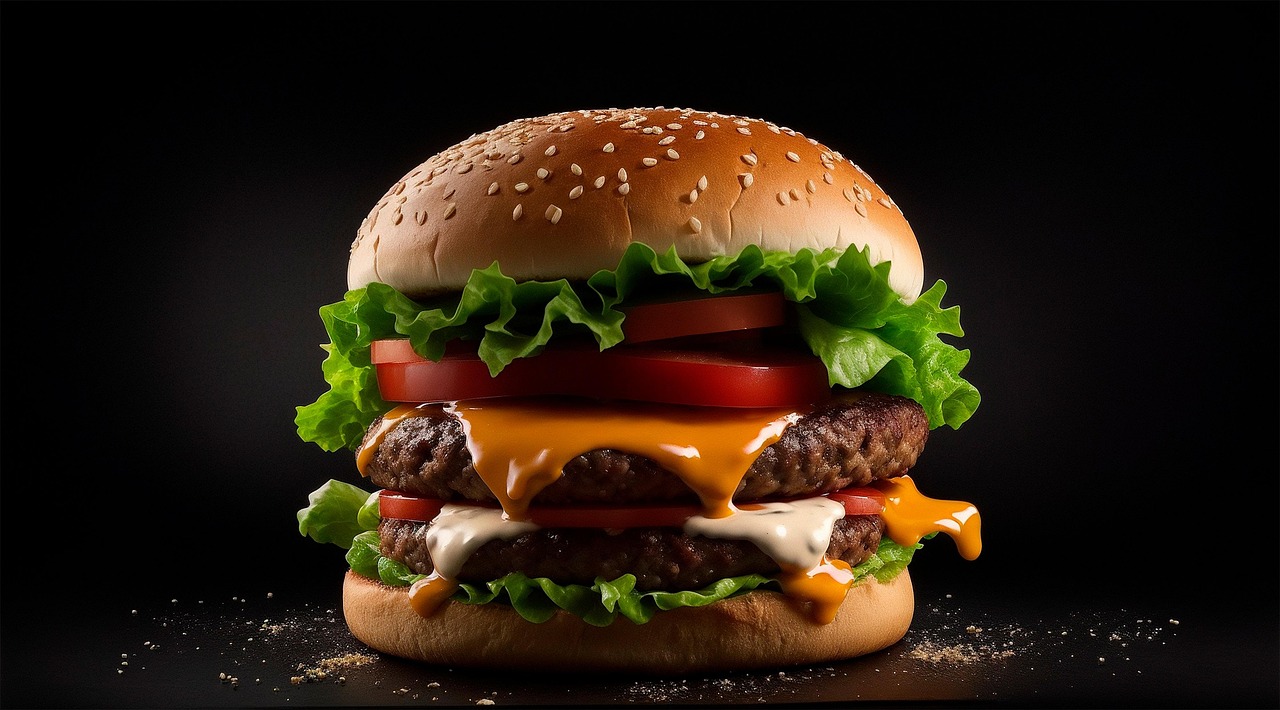
In an era where digital technology pervades every aspect of our lives, from how we communicate to how we work and entertain ourselves, it was only a matter of time before it revolutionized the most fundamental human necessity: food. Recently, a peculiar and electrifying concept has taken the internet by storm, sparking debates, memes, and intense curiosity across social media platforms. This phenomenon is none other than the idea of “downloadable burgers.” The phrase alone sounds like a whimsical page torn from a science fiction novel, yet it is rapidly becoming a topic of serious discussion among technologists, food scientists, and futurists. But what exactly does it mean to download a hamburger? Is it merely a clever marketing gimmick, a misunderstood technological breakthrough, or a genuine glimpse into the future of how we will cultivate, prepare, and consume our meals? This comprehensive article delves deep into the heart of this viral tech trend, dissecting its origins, the technology that powers it, its potential societal impact, and the daunting challenges that lie ahead. By the end of this exploration, you will have a thorough understanding of why your social media feed is suddenly flooded with pixelated patties and digital fries, and why this trend is far more significant than a fleeting moment of internet absurdity.
The Genesis of a Digital Delicacy
To understand the phenomenon of the downloadable burger, one must first trace its roots back to the convergence of several advanced technologies. The term itself is a provocative simplification of a complex process involving 3D printing, molecular gastronomy, and data transmission. The idea gained massive traction when a series of viral videos demonstrated a machine that appeared to “print” a fully cooked, aromatic burger from a digital file. Viewers watched in awe as nozzles deposited layers of plant-based proteins, fats, and binders, slowly constructing a patty that looked, smelled, and allegedly tasted like a traditional beef burger. The crucial detail that ignited the viral spark was the concept of sharing this process via a downloadable file. Much like sharing a blueprint for a physical object, the digital file containing the burger’s “code” could be sent across the globe in seconds. This meant that theoretically, a chef in New York could create a signature burger, upload its digital recipe to the cloud, and a user in Tokyo could download that file, load it into their 3D food printer, and enjoy the exact same culinary creation within minutes. The internet, predictably, lost its collective mind.
However, the current iteration of this technology is not about teleporting matter or violating the laws of physics. It is about the transmission of information. The “download” refers to the receipt of a highly intricate digital recipe a comprehensive data set that instructs a sophisticated food printer on how to construct the burger at a microscopic level. This data includes the precise chemical composition of the ingredients, the layering sequence, the temperature settings for cooking during the printing process, and even the texture profile required to mimic the mouthfeel of a traditional patty. Therefore, when we speak of downloading a burger, we are speaking of acquiring the digital instructions to manufacture it locally, using a pantry of food-grade “inks” or cartridges. This distinction is critical; we are not yet downloading atoms, but we are downloading the recipes that dictate how those atoms should be assembled.
The Technology Behind the Bite: How Does It Work?
The machinery that makes the downloadable burger possible is a marvel of modern engineering and food science. It operates on principles similar to conventional 3D printing, but with a unique set of challenges related to food safety, texture, and taste. The process can be broken down into several key stages.
The Digital Blueprint
Every printable meal starts with a digital blueprint. This is not a simple text recipe with a list of ingredients and step-by-step instructions. Instead, it is a complex CAD (Computer-Aided Design) file that is specifically calibrated for food. This blueprint contains thousands of data points concerning the food’s geometry, density, viscosity, and even its nutritional profile. Food scientists use advanced spectroscopy and chemical analysis to deconstruct existing foods into their fundamental components. For a burger, this involves mapping the protein structure, fat distribution, and moisture content. The goal is to create a digital twin of the physical burger that can be replicated on demand.
The “Ink” Cartridges
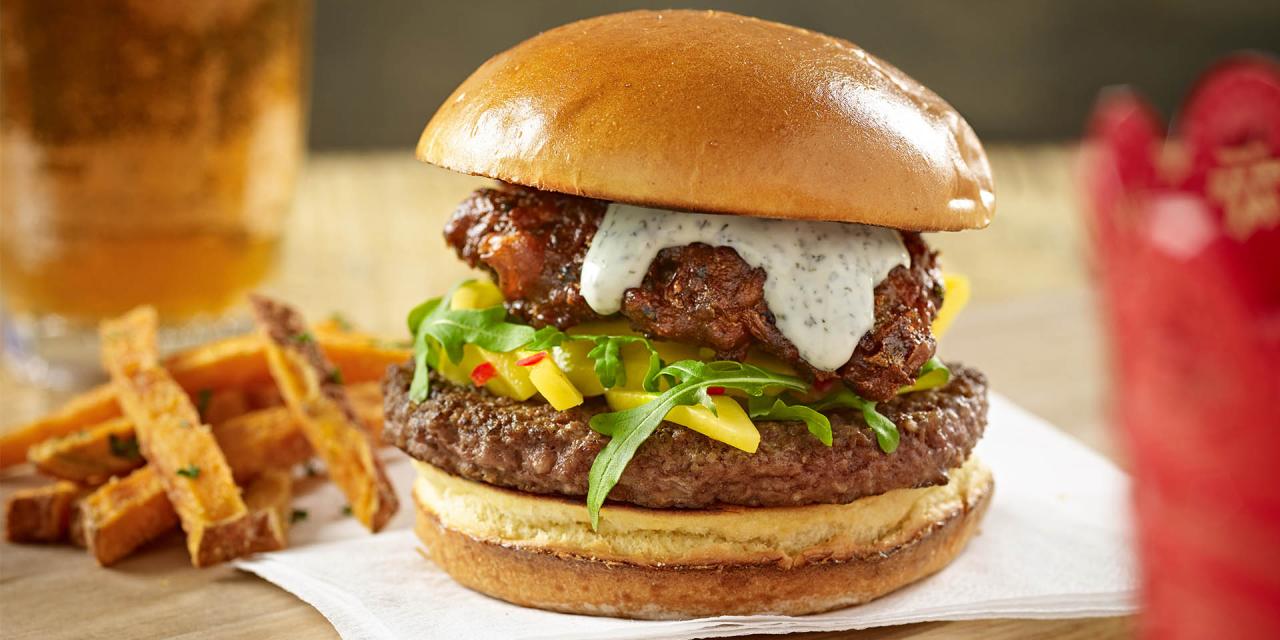
The most critical component of a 3D food printer is the food-grade “ink.” For a burger, these inks are usually stored in syringes or cartridges. The ingredients are not in their whole form but are processed into smooth, paste-like consistencies suitable for extrusion. For a burger, there might be specific cartridges for:
-
Plant-based Protein: Pea or soy protein isolates mixed with water and binders to create the meaty base.
-
Fats: Coconut oil or other saturated fats that provide the juicy mouthfeel and sizzle.
-
Flavor Compounds: Concentrated flavorings, yeast extracts, and amino acids that impart the savory, meaty “umami” taste.
-
Binders: Alginate or methylcellulose, which help the ingredients maintain their shape and hold together during and after cooking.
-
Coloring Agents: Natural ingredients like beetroot juice or caramel to replicate the browning effect of a seared patty.
These inks are carefully formulated to be shelf-stable and have a specific viscosity. If they are too runny, the print will collapse; if too thick, the printer nozzle will clog. The challenge lies in creating a stable emulsion that is safe to eat, tastes good, and behaves predictably under the mechanical stress of printing.
The Printing and Cooking Process
The magic happens in the printer’s build chamber. The user loads the digital file, selects the appropriate cartridges, and initiates the print. The printer then begins to deposit the “ink” layer by layer, following the instructions in the digital blueprint. Unlike plastic printing, which only requires deposition, food printing often incorporates a simultaneous cooking element. The printer might use a laser, a heating element in the nozzle, or an infrared light to cook the burger as it is being built.
This simultaneous cooking is vital. For instance, the protein strands need to denature and coagulate to achieve a meaty texture. The printer might deposit a layer of protein paste, then quickly blast it with a laser to “sear” it before adding the next layer. This creates a texture that mimics the grain of meat. The fat cartridges are deposited in specific patterns to create marbling, ensuring that the fat melts during the cooking process, just as it would in a traditional burger. Once the printing is complete, the burger is not a raw, shapeless mass but a fully cooked, ready-to-eat patty that might even have a discernible “crust” on its exterior, depending on the printing parameters.
The Allure: Why is This Concept Going Viral?
The viral nature of this trend is not merely due to its novelty. It resonates with a deep-seated human desire for convenience, customization, and a futuristic aesthetic. The idea of “downloading” food taps into the same psychological triggers that made services like Netflix and Spotify so successful: instant gratification. The notion that you could have a gourmet meal on your plate within minutes of deciding you want it, without the mess of preparation, is highly attractive. Furthermore, the visual spectacle of a burger being constructed from the ground up by a robotic arm is mesmerizing and highly shareable content for social media platforms.
Another major driver is customization. With a downloadable blueprint, the user is not limited to a static menu. They can tweak the file to increase protein, reduce fat, alter the flavor profile, or even change the shape of the burger entirely. For individuals with specific dietary restrictions or allergies, this level of control is revolutionary. They could download a base file and modify it to use gluten-free binders or substitute allergenic ingredients, ensuring a safe and personalized meal every time. This shifts the consumer from a passive diner to an active participant in the culinary creation process. The trend also appeals to the environmental consciousness of the modern consumer. Since the burgers are typically plant-based, they offer a potential reduction in the carbon footprint associated with traditional livestock farming, provided the production of the inks and the energy consumption of the printers are managed responsibly.
The Societal and Economic Implications
If the technology matures and becomes widely adopted, the implications for society and the global economy are staggering.
The Disruption of the Food Supply Chain
A. Decreased Dependence on Logistics: The downloadable burger concept could dramatically shorten the global food supply chain. Instead of shipping frozen patties across oceans and countries, you would only need to ship the raw materials for the “ink” or, in a more advanced scenario, the ink cartridges themselves. This would save on fuel, reduce spoilage, and make food distribution far more resilient to disruptions like natural disasters or geopolitical conflicts.
B. Empowerment of Local Production: It democratizes food production. A small café, a remote research station in Antarctica, or a manned mission to Mars could produce a wide variety of meals without needing a large kitchen or extensive fresh ingredients. They would only need the printer and a stock of versatile cartridges.
C. The Decline of Traditional Food Processing: This could lead to a consolidation in the food industry. The power of the traditional meatpacking industry could wane as demand shifts to the companies that produce the bio-inks. The patent for a delicious and realistic burger “file” could be a multi-billion-dollar asset.
The Impact on Culinary Culture
A. The Rise of the “Digital Chef”: A new profession would emerge: the digital chef. These would be individuals who do not necessarily possess classical culinary knife skills but have a deep understanding of molecular gastronomy and food science. They would create and sell digital recipes, much like app developers sell software. The value would no longer be in the physical preparation but in the intellectual property of the data file.
B. Loss of Artisan Skills: Conversely, there is a significant danger that traditional cooking skills could atrophy. If you can download a perfect meal, why learn to knead dough, grill a steak, or perfect a sauce? The sensory experience of cooking, which for many is a form of therapy and cultural expression, might be lost. The cultural heritage of specific regional cuisines could be reduced to a series of data sets.
C. Globalization of Taste: While a chef in France could create a file for a Croque Monsieur and a chef in Japan could create one for Ramen, everyone with a printer could access both. This could lead to a fascinating global melting pot of flavors but might also lead to a homogenization of taste, where local distinctiveness is diluted by a global standardized menu.
The Battle for Intellectual Property
The downloadable burger introduces a complex legal battlefield regarding intellectual property (IP). Who owns the recipe? Is it the chef who created the chemical profile, the company that makes the printer, or the company that formulates the ink?
A. Licensing Models: Just as you license software, you may license food files. This could be done on a subscription basis, providing a monthly rotating menu, or for a one-time purchase for a specific gourmet dish. High-end digital chefs could command significant prices for their proprietary blueprints.
B. Piracy and Counterfeiting: This leads directly to the issue of digital piracy. If a burger file is valuable, it will be stolen and shared on peer-to-peer networks. We could see the emergence of the “Napster of food,” where users illegally share copyrighted meals. Furthermore, counterfeit files could be a health hazard. If a malicious actor modifies a file to use a toxic binder or unsafe temperature settings, the user could be poisoned. This necessitates robust digital rights management (DRM) and security standards for food files, as well as “digital signatures” from verified chefs or labs to authenticate the safety of the print instructions.
The Hurdles: Why You Don’t Have a Food Printer Yet
Despite the excitement, significant barriers prevent the downloadable burger from becoming a household staple. The journey from the laboratory to the kitchen is fraught with formidable challenges.
Technical Limitations
A. Speed: Currently, 3D food printers are painfully slow. It can take 15 to 30 minutes to print a single patty. In a fast-food environment, this is entirely impractical. Waiting half an hour for a burger is not acceptable for the modern consumer. For the technology to go mainstream, it must become as fast as, if not faster than, conventional cooking methods.
B. Texture and Mouthfeel: While considerable progress has been made in replicating the taste of plant-based meat, texture remains a significant hurdle. The mouthfeel of a real steak or a fried chicken leg is extremely complex. Recreating the muscle fibers, the connective tissue, and the interplay of crispy skin versus juicy meat is a monumental task. Many 3D printed burgers still taste like “paste” or “baby food” in the mouth, lacking the structural integrity of a real piece of meat.
C. Variety of Ingredients: We are limited to materials that can be processed into a paste and extruded. While this works for burgers or pasta, it is nearly impossible to print a leafy green salad, a crisp apple, or a delicate piece of sushi. The printer cannot yet handle the structural complexity of whole fruits and vegetables.
Cost and Accessibility
A. Price of the Machine: Commercial-grade 3D food printers cost tens of thousands of dollars. Consumer-grade versions are still in their infancy and are priced well outside the reach of the average household. For the trend to go viral in a practical sense, the cost of the hardware needs to plummet, similar to the trajectory of standard 2D printers.
B. Cost of Cartridges: The bio-inks used for printing are expensive to manufacture. They require highly purified ingredients and sterile production environments. Until economies of scale are achieved, the cost per printed meal will be far higher than that of a grocery store alternative.
C. Maintenance and Cleaning: Food safety is paramount. A 3D printer that handles raw or cooked food materials must be meticulously cleaned to prevent bacterial growth. The nozzles, syringes, and build chambers require complex cleaning cycles, adding to the maintenance burden and user inconvenience.
Social and Psychological Resistance
A. The “Yuck” Factor: A significant portion of the population is instinctively repulsed by the idea of “robot food.” It is perceived as unnatural, synthetic, and lacking in “soul.” Many people believe that a burger made by a machine cannot possibly taste as good as one cooked by a human on a grill. This psychological barrier is not easily overcome with technology alone; it requires a shift in cultural perception, often driven by a generation that is more accustomed to automation.
B. The Ritual of Cooking: For many, cooking is a form of love, hospitality, and cultural ritual. The act of preparing a meal for family and friends is deeply human. The downloadable burger reduces this ritual to a sterile, push-button task. It appeals to convenience but ignores the profound emotional and social bonding that occurs in a traditional kitchen.
C. Job Displacement: The widespread adoption of this technology poses a direct threat to millions of jobs in the food service and agricultural industries. If restaurants start printing their food, the need for line cooks, butchers, and even some prep staff would drastically decrease. This creates significant economic anxiety and resistance to the technology’s adoption.

The Future of Food: A Glimpse into the Next Decade
The path of the downloadable burger is not necessarily one of replacing traditional cooking entirely. It is more likely that we will see a hybrid future where digital and traditional methods coexist and complement each other.
Scenario A: The “Star Trek” Replicator (Long-term)
In the distant future, perhaps 50 to 100 years from now, the technology might evolve into a true molecular assembler that constructs food from base elements like carbon, hydrogen, and oxygen. This would be the true “downloading” of matter. However, we are currently centuries away from that level of energy efficiency and control.
Scenario B: The “Specialized Tool” (Mid-term)
In the next 5 to 10 years, we are more likely to see food printers become specialized tools. They could be found in:
A. High-End Restaurants: As a novelty and a tool for pushing culinary boundaries, creating intricate shapes and textures that are impossible by hand.
B. Hospitals and Care Homes: For creating easy-to-swallow, nutritionally optimized foods that are pureed but presented in a visually appealing solid form to stimulate appetite.
C. Space Exploration and Military: For providing long-term sustenance in environments where fresh food is unavailable.
Scenario C: The “Convenience Hybrid” (Short-term)
For the average consumer, the entry point might be a hybrid device. Think of a machine that is essentially a high-tech microwave oven with a dispensing system for cartridges. This machine would not aim to replace a gourmet meal but would offer a quick, healthy, and customizable alternative for the time-poor consumer. It could produce a breakfast pancake, a bowl of oatmeal, or a simple burrito filling in minutes. This avoids the complexity of printing a multi-component dish and focuses on simple, homogenous foods where texture is less of a concern.
In this scenario, the “downloadable” aspect is merely the addition of a “cloud service” to the microwave. You scan a QR code from your phone, the oven downloads the cooking parameters and the ingredients are mixed and heated automatically. It is a significant upgrade to current convenience foods, but it doesn’t spell the end of the traditional kitchen. The kitchen table will still be the domain of the home cook, but the kitchen counter will now have a sophisticated robotic assistant.
Conclusion: A Byte-Sized Revolution?
The viral trend of the “downloadable burger” is far more than just a fanciful internet meme. It is a powerful symbol of the digital convergence that is reshaping our world, penetrating even the most primal and intimate of human activities: eating. While the current technology is nascent, expensive, and faces immense technical and psychological hurdles, its core premise is profoundly disruptive. The ability to transmit the data of a culinary experience across the globe in an instant holds the potential to democratize gourmet food, revolutionize supply chains, and offer unprecedented levels of personalization.
However, this digital future comes with a cautionary tale. It warns of a world where we lose the sensory pleasure of cooking, where local food cultures are eroded by a globalized digital menu, and where a simple meal becomes another battleground for intellectual property and digital rights. The downloadable burger is not going to replace the family dinner or the neighborhood burger joint anytime soon. It is, however, a harbinger of a future where the boundaries between the physical and the digital are irrevocably blurred. It is a trend that invites us to look beyond the immediate novelty and engage with the fundamental questions about what we eat, how we get it, and what the future of human sustenance looks like in a hyper-connected world. The conversation it has started is as important as the technology itself, forcing us to decide what we want to preserve, what we are willing to change, and how we might enjoy the best of both worlds a future where you can download the recipe for a perfect burger while still honoring the hand-crafted tradition of a perfect meal.