The global energy landscape is undergoing a profound transformation, marked by increasing electricity demand and an urgent need for decarbonization. As renewable energy sources become more prevalent, the strain on traditional power grids intensifies, necessitating innovative solutions. A groundbreaking concept, Everything-to-Grid (E2G), has emerged as a pivotal technology to address these challenges. Recognized as one of the World Economic Forum’s Top 10 Emerging Technologies of 2026, E2G represents a paradigm shift in how energy is generated, stored, and distributed .
Understanding the Everything-to-Grid Concept
The core principle of Everything-to-Grid technology lies in transforming passive energy consumers into active, flexible nodes within an intelligent energy network. This approach leverages a diverse array of connected assets—including electric vehicles, buildings, and industrial facilities—turning them into dynamic energy hubs. Instead of merely drawing power from the grid, these assets can now communicate, store, and return energy to the system when it is most needed .
The Vision of a Flexible Energy Network
E2G is not a single technology but a comprehensive strategy that integrates various sectors. The vision is to create a symbiotic relationship where the grid is supported by a vast, distributed network of energy resources. This network can balance supply and demand in real-time, enhance resilience, and optimize the use of renewable energy sources. For instance, fully charged electric cars, which often sit idle in driveways, can feed power back into the grid during peak demand periods, relieving strain and preventing blackouts .
Key Components of the Everything-to-Grid Ecosystem
Several distinct yet interconnected domains form the foundation of the E2G revolution. These include Electric Vehicles, Buildings, and Factories.
A. Electric Vehicles as Energy Assets (EV2G)
One of the most prominent applications of E2G is in the realm of electric vehicles (EVs). The concept of Vehicle-to-Grid (V2G) is a critical subset where EVs function as mobile energy storage units. With the rapid increase in renewable energy sources like solar and wind, the grid requires flexible resources to manage their intermittency. EV2G offers a solution by providing flexibility that can be quantified and managed. This flexibility is assessed through models that analyze historical charger data to predict the availability and capacity of EV fleets to discharge power back to the grid . The integration of EV charging infrastructure is a key component, particularly in building and factory settings, where it can be managed to avoid costly infrastructure upgrades .
B. Buildings as Dynamic Energy Hubs
Buildings are significant consumers of energy, representing over 30% of the world’s energy consumption . The “Buildings as a Grid” approach aims to transform these structures from energy sinks into active grid participants. This is achieved by integrating local power generation, energy storage, and intelligent control systems . Buildings can incorporate on-site renewable generation, such as rooftop solar panels, and manage their energy usage to optimize costs, reduce carbon footprints, and even sell excess power back to the grid. This approach helps building owners maximize energy efficiency, boost resilience, and create new revenue streams . As electricity demand is expected to increase by 50% by 2050, driven largely by buildings and transportation, this transformation becomes essential for managing future energy needs .
C. Factories as Industrial Energy Contributors
Industrial operations have complex and critical energy needs. The “Factories as a Grid” strategy applies E2G principles to the industrial sector. By taking a holistic view of energy needs and infrastructure, factories can balance their energy sources and loads more effectively . This involves optimizing existing assets, integrating renewable energy, and implementing digitalization to enhance process efficiency. Such an approach helps industries lower costs, improve sustainability, and ensure uninterrupted power. With motors accounting for 70-80% of industrial energy load, there is significant potential for optimization .

Mechanisms and Economic Incentives
The operational success of E2G depends on sophisticated technology and compelling economic models.
Smart Grid Technologies and Control
The E2G ecosystem relies on advanced smart grid technologies. This includes a robust information and communication technology (ICT) infrastructure that enables two-way communication between the grid and its nodes . Intelligent metering, or smart meters, plays a crucial role by providing real-time data on consumption and generation. This data allows for advanced distribution management, enabling functions like peak load relief and voltage regulation. Additionally, technologies like synchronized phasor measurement units (PMUs) are being developed to monitor and control active distribution networks with high precision . These systems facilitate a cross-layer optimization where the management of loads and renewable sources is coordinated for maximum efficiency .
Financial Incentives for Participants
A key driver for the adoption of E2G is the provision of tangible financial benefits to participants. Owners of electric vehicles and buildings are incentivized to contribute their resources to the grid. EV owners, for instance, can receive direct payments, utility bill credits, or reduced financing costs for allowing their vehicles to supply power back to the grid during peak times . Similarly, building owners can gain new revenue by selling excess energy generated from their on-site systems back to the local utility . These incentives are crucial for overcoming the initial resistance to adopting new technologies and for building a widespread, participatory energy network.
Global Trends and Implementation
The push for E2G is being accelerated by global megatrends and concrete industrial projects.
Driving Forces: Decarbonization and Electrification
The global commitment to carbon neutrality is a primary driver for the E2G revolution. With renewable energy sources projected to account for 75% of global power generation additions by 2050, the need for grid flexibility is paramount . This shift is part of a broader energy transition that includes electrifying everything from transportation to industrial processes. As the world will need significantly more electricity in the coming decades, technologies like E2G are not just beneficial but essential for a stable and sustainable energy future .
The Future of Everything-to-Grid
The E2G revolution offers a promising pathway to a more resilient, efficient, and sustainable energy future.
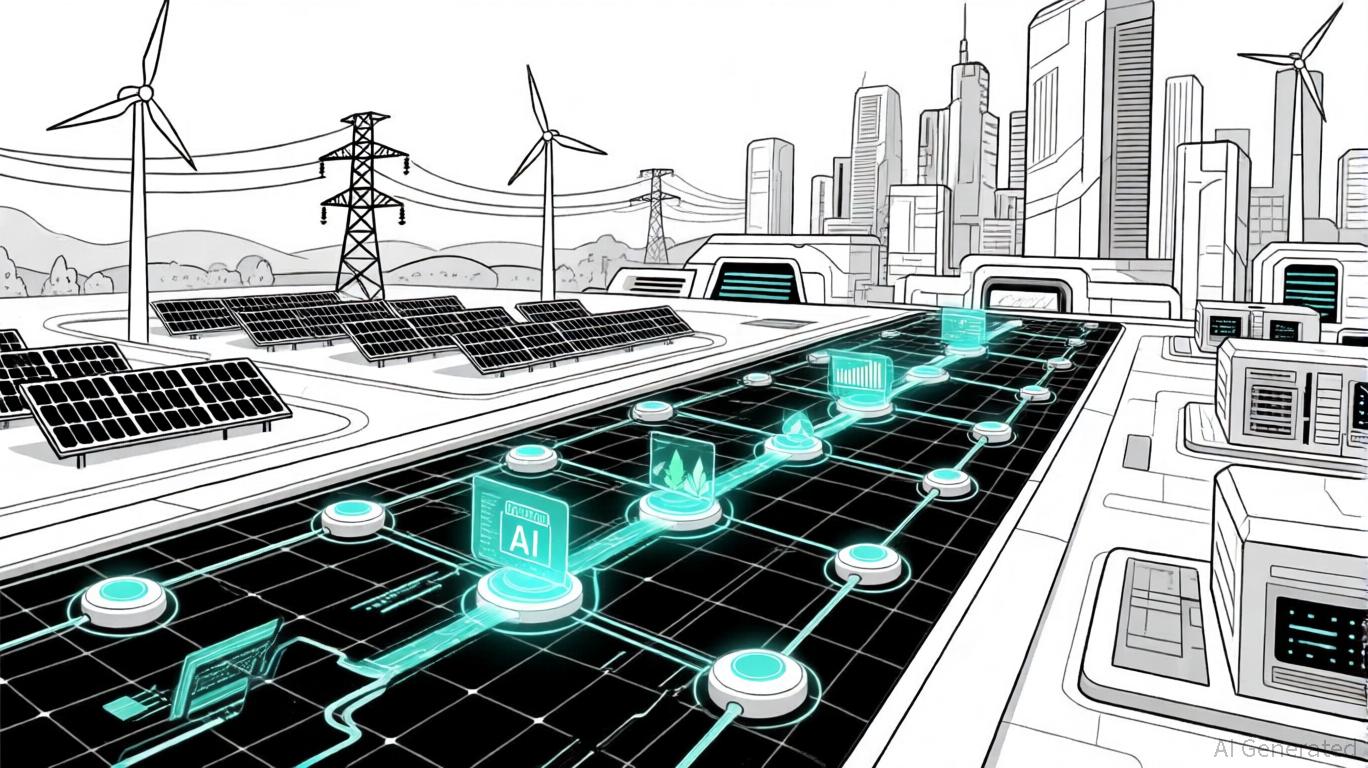
By integrating Electric Vehicles, Buildings, and Factories into a single, intelligent network, the “Everything-to-Grid” approach addresses the critical challenges of modern power grids. It leverages digitalization and smart technologies to balance supply and demand, reduce carbon emissions, and create economic value for participants and utilities alike. As the technology matures and scales, it is poised to play a central role in the global energy transition, transforming how we power our world .